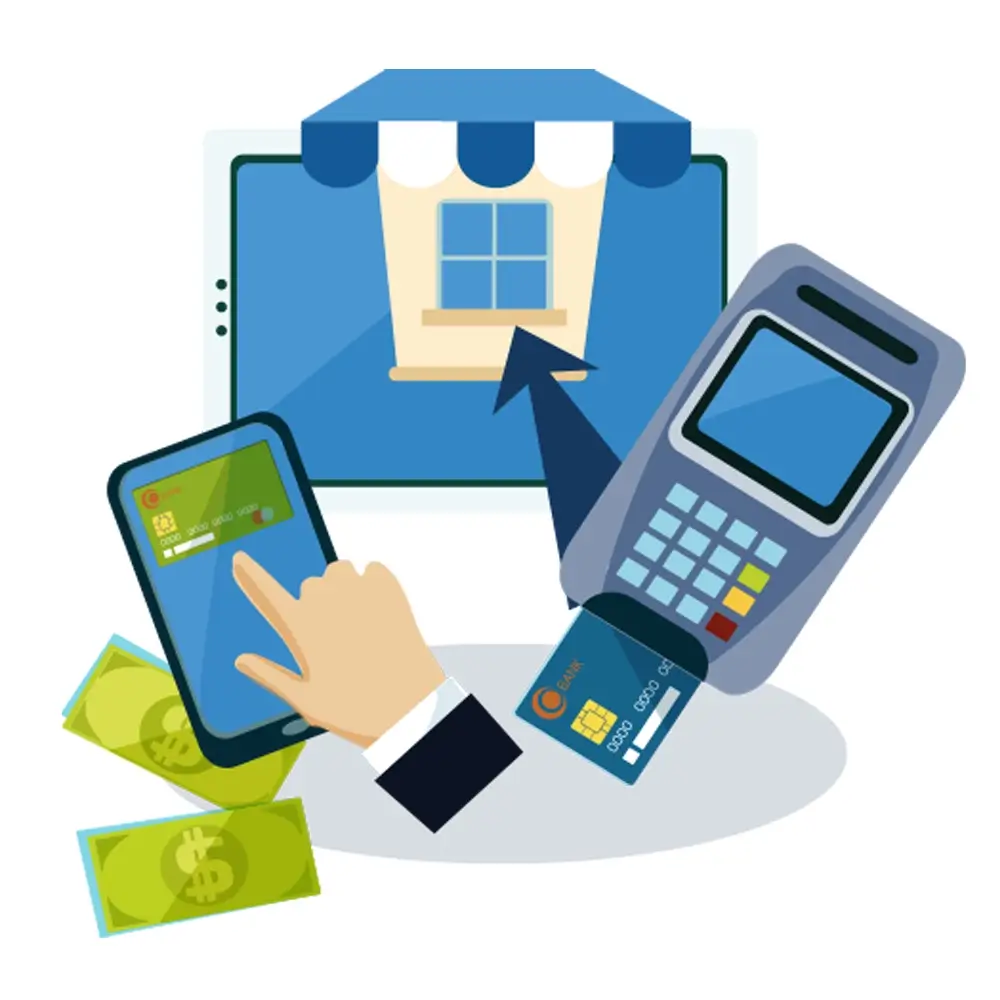

Shopping online has become part of our daily routine, but it comes with a real concern: keeping your payment information secure. Every time you click “checkout,” you’re trusting an app or website with your sensitive financial data. The good news? There are payment apps designed specifically to make this safer.
Whether you’re buying something for the first time or you’re a seasoned online shopper, choosing the right payment app matters. This guide walks you through the best, most secure payment apps available today—so you can shop with confidence, not worry.
What Are Safe Payment Apps? Understanding Secure Digital Payments
A safe payment app is a digital platform that lets you make purchases, transfer money, or pay bills while protecting your financial information. Think of it as a digital bodyguard for your money.
These apps work by using several security layers. Instead of sharing your actual credit card number with every website you visit, secure payment apps use something called “tokenization.” This replaces your real card details with an encrypted code that’s unique to each transaction. Even if someone intercepts it, they can’t use it again.
Most trusted payment apps also require two-factor authentication (2FA), which means you need to verify it’s really you by entering a code sent to your phone or using your fingerprint. This extra step makes unauthorized access nearly impossible.
The shift toward digital payments has made online shopping safer than ever. According to recent data, when you use credit cards through secure payment apps, you’re protected by federal law—limiting your liability to just $50 if fraud occurs. Many modern apps offer zero fraud liability, meaning you’re protected at no cost.
Key Features & Benefits of the Best Payment Apps
Before jumping into specific apps, let’s talk about what makes a payment app actually safe. Not all apps are created equal.
Encryption Technology: The best payment apps use SSL or TLS encryption, which scrambles your data so only the intended recipient can read it. It’s the same technology banks use.
Tokenization: Your real payment card details are never shared with merchants. Instead, a unique token is created for each transaction, protecting your information from theft.
Biometric Authentication: Many apps let you verify purchases using your fingerprint or face recognition. This is much safer than passwords alone, and it’s convenient too.
Fraud Detection Systems: Advanced apps monitor for suspicious activity in real-time. If someone tries to make a purchase from an unusual location or with multiple cards, the app flags it immediately.
Purchase Protection: Credit card transactions often come with buyer protection. If you don’t receive an item or it arrives damaged, you can dispute the charge and get your money back.
FDIC Insurance & Backing: Some payment apps are connected to banks that offer FDIC protection, meaning your money is insured up to $250,000 if the company fails.
Low Transaction Fees: The best apps either charge no fees for basic transfers or keep fees transparent and reasonable.
Multi-Device Support: You can access your account from your phone, tablet, or computer. If one device is lost, you can freeze your account from another.
Top 5 Safe Payment Apps for Online Purchases
1. PayPal – The Most Trusted Name in Online Payments
PayPal is the gold standard for online payments. With over 434 million active users globally, it’s not just popular—it’s proven.
Why it’s safe:
- Buyer protection on purchases means if something goes wrong, PayPal has your back
- Seller accounts are separate from buyer accounts, adding a layer of security
- You don’t share your card details with individual merchants
- Advanced fraud monitoring catches suspicious activity instantly
Best for: Large purchases, international transactions, shopping on unfamiliar websites
How it works: Link your credit card, debit card, or bank account to PayPal. At checkout, you just log in to your PayPal account instead of entering card details repeatedly. PayPal handles the payment securely.
Fees: Generally free for receiving payments, but there are fees for certain transfers or if you use credit cards. International transfers cost $2.99–$4.99 plus 2.9% of the amount.
Unique feature: PayPal offers up to $60,000 transfer limits for verified accounts, and their Xoom service lets you send money to over 160 countries.
2. Apple Pay – Seamless Security for iPhone Users
If you own an iPhone, Apple Watch, or Mac, Apple Pay is built right into your devices. It’s fast, intuitive, and incredibly secure.
Why it’s safe:
- Uses tokenization so merchants never see your actual card number
- Requires Face ID or Touch ID to authorize payments
- Your card details stay on your device—Apple doesn’t store them
- Works seamlessly in apps, on websites, and in stores
Best for: iPhone users, frequent online shoppers, contactless payments
How it works: Add your credit or debit card to Apple Wallet. When you shop online or in an app that accepts Apple Pay, just authenticate with your face or fingerprint, and you’re done.
Fees: No additional fees. You pay what the merchant charges, just like with a regular card.
Unique feature: You can use a virtual card number instead of your real card number, adding extra privacy. Apple Pay works across the Apple ecosystem—on iPhone, iPad, Mac, and Apple Watch.
3. Google Wallet – The Android Answer to Apple Pay
Google Wallet is Android’s main competitor to Apple Pay, and it’s equally secure. With 200–250 million active users, it’s proven itself reliable.
Why it’s safe:
- Tap-to-pay technology generates one-time codes, making each transaction unique
- Biometric authentication (fingerprint or face) is required
- Merchant never sees your actual card information
- Real-time fraud monitoring works continuously
Best for: Android users, loyalty program managers, contactless shopping
How it works: Add cards to Google Wallet. At checkout, tap your phone on the payment terminal or click the Google Wallet button online. Verify with your fingerprint or face, and payment is complete.
Fees: No fees. It’s free to use on your Android device.
Unique feature: Stores far more than just payment cards—loyalty cards, event tickets, boarding passes, and ID cards all live in one place.
4. Venmo – Social Payments for Friends & Small Merchants
Venmo is the app millions of people use to split rent, pay back friends for dinner, or settle a bet. But it’s also becoming a legitimate payment method for small merchants.
Why it’s safe:
- Encryption protects all transactions
- Multi-factor authentication (MFA) prevents unauthorized access
- You can use it with a linked debit card or bank account
- Venmo is owned by PayPal, inheriting their security expertise
Best for: Peer-to-peer payments, splitting bills, paying small businesses, friends and family transfers
How it works: Link your bank account or debit card to Venmo. Search for friends by username and send money instantly. Friends receive it in their Venmo balance or as a bank transfer.
Fees: Free when you send money from a linked bank account. Sending from a credit card costs 3%. Instant transfers to your bank cost 1% ($10 max).
Unique feature: The social feed lets you see friends’ transactions (if they’re public), creating a community feeling. Great for group trips or shared expenses.
Privacy tip: By default, transactions show publicly. Change your privacy settings immediately after signing up if you prefer privacy.
5. Cash App – Beyond Peer-to-Peer Payments
Cash App started as a simple money-sending app but evolved into a full financial ecosystem. It’s used by 58 million people monthly.
Why it’s safe:
- Encryption and fraud detection technology protect all transactions
- One-time login codes prevent unauthorized access
- Biometric authentication available
- FDIC insurance covers balances if you use a Cash App card
Best for: Peer-to-peer payments, stock investing, cryptocurrency, casual online shopping
How it works: Download Cash App, link your bank account, and start sending money to friends using their username or $Cashtag. You can also add a Cash App card for in-store or online purchases.
Fees: Free for basic transfers. Bitcoin transactions and stock trading have their own fee structures.
Unique feature: You can invest in fractional stocks and buy Bitcoin directly within the app. It’s a complete financial app, not just payments.
Digital Wallets vs. Payment Apps: What’s the Difference?
This is where people often get confused. Let’s clear it up.
Digital Wallets (Apple Pay, Google Wallet) store your payment card information on your phone. They’re designed mainly for quick, contactless payments—tap your phone and you’re done. They offer strong security because your actual card details aren’t shared with merchants.
Payment Apps (PayPal, Venmo, Cash App) are broader platforms. They let you send money to people, store a balance, and sometimes do other things like investing or paying bills. They’re flexible but sometimes require more steps.
For online shopping specifically, both work great. Digital wallets are faster for in-store purchases, while payment apps are better if you’re sending money to friends or need more features.
Credit Cards vs. Payment Apps: Which Is Safer for Online Shopping?
Here’s a question we get often: “Should I use my credit card directly or go through a payment app?”
The answer is nuanced. Here’s the truth:
Credit cards offer strong legal protection. Federal law caps your fraud liability at $50, and most modern credit cards offer zero liability policies. You can dispute unauthorized charges and get your money back. This protection exists whether you use a card directly or through an app.
Payment apps add an extra security layer. Apps use tokenization, so merchants never see your real card number. This means even if a store’s system gets hacked, your card details weren’t there to steal. Payment apps also often have more advanced fraud monitoring.
The hybrid approach is best: Use a credit card through a secure payment app. You get the legal protection of the credit card plus the technological security of the app. It’s the best of both worlds.
When to use each:
- Direct credit card use: Established, well-known retailers
- Payment app with credit card: Unknown retailers, international sites, higher-risk purchases
- Digital wallet (Apple/Google Pay): In-store or app-based shopping
- Bank account through payment app: Peer-to-peer payments with trusted contacts
ACH Payments & Bank Transfers: A Safe Alternative
ACH (Automated Clearing House) payments are direct transfers between bank accounts. When you get paid via direct deposit or pay a bill online through your bank, you’re using ACH.
Why they’re safe:
- Regulated by federal standards
- Goes through clearinghouses that enforce strict security
- Transactions are encrypted
- Low fraud rates compared to other methods
Limitations:
- Slower than credit card transactions (1-3 business days typically)
- Less buyer protection than credit cards
- Can’t reverse a payment as easily once it’s sent
ACH works well for recurring bills or trusted vendors you pay regularly. For one-time online shopping, credit cards or digital wallets are generally better choices.
Virtual Credit Cards: The Privacy Champion
Virtual credit cards are temporary card numbers generated specifically for online purchases. They’re tied to your real card but can’t be linked back to you personally.
How they work: You request a virtual card number from your credit card company or a specialized service. Use it for one online purchase. After that transaction, the number becomes useless. If a hacker gets the virtual number, they can’t use it elsewhere.
Why they’re great:
- Each transaction uses a unique card number
- Retailers can’t track you across multiple purchases
- If compromised, the damage is limited to one transaction
- Perfect for trying new, unfamiliar websites
The catch:
- Not all merchants accept them
- Some providers charge a small fee per virtual card
- Requires a bank or service that offers this feature
Major credit card companies like Visa and American Express offer virtual card options. Some services like Privacy.com create virtual cards from your existing payment methods.
Security Red Flags: Payment Methods to Avoid or Use Carefully
Not all payment methods are equally safe for online shopping. Here’s what to avoid:
Cash: Lost or stolen cash is gone forever. No buyer protection exists. Avoid paying online with cash—it’s not even possible for most purchases.
Checks: Check fraud is rising. Thieves steal checks from mailboxes, use chemicals to erase the original information, and rewrite them. Never use checks for online payments.
Debit Cards: Direct access to your bank account is the problem here. If your debit card is compromised, a thief can drain your entire account. Debit cards lack the fraud protections credit cards offer. They’re fine for ATM withdrawals but risky for online shopping.
Unprotected Bank Transfers: Sending money directly from your bank account without fraud protections is risky. The money’s gone immediately, and reversing it is difficult. Use only with trusted vendors.
Unknown Payment Gateways: If a website uses a payment processor you’ve never heard of and there’s no SSL security indicator, walk away. Look for the padlock icon in your browser’s address bar.
How to Shop Safely Online: Practical Tips Beyond Apps
The best payment app is only part of the equation. Here’s how to protect yourself:
1. Check for HTTPS and the Padlock Icon Before entering payment information, confirm the website’s address starts with “https://” and a padlock icon appears. This means the connection is encrypted.
2. Use Strong, Unique Passwords Your payment app password should be complex—at least 12 characters with numbers, symbols, and mixed case. Never reuse passwords across different accounts. Consider a password manager to help.
3. Enable Two-Factor Authentication (2FA) Most payment apps offer 2FA. Turn it on. Yes, it’s an extra step, but it stops 99% of unauthorized access attempts.
4. Shop on Secure Networks Public Wi-Fi at coffee shops and airports is risky. If you must shop on public Wi-Fi, use a VPN (Virtual Private Network) to encrypt your connection.
5. Monitor Your Accounts Regularly Check your payment app and credit card statements weekly. Catch fraudulent charges early. Most apps let you set up alerts for transactions over a certain amount.
6. Be Skeptical of “Deals” from Unknown Sources If someone sends you a link to an amazing deal, be cautious. Hover over links to see the real URL before clicking. Scammers often create fake shopping sites that look identical to real ones.
7. Never Share Your CVV Code by Email or Phone Your CVV (the 3-4 digit code on the back of your card) should never be shared verbally or via email. Legitimate companies never ask for it this way.
8. Keep Your Apps Updated Payment app developers constantly patch security vulnerabilities. Update your apps immediately when new versions are available.
Comparison Table: Top Payment Apps Side-by-Side
| Feature | PayPal | Apple Pay | Google Wallet | Venmo | Cash App |
|---|---|---|---|---|---|
| Security Rating | Excellent | Excellent | Excellent | Very Good | Very Good |
| Best For | Online shopping, large transfers | iPhone users, contactless | Android users, tap-to-pay | Friends & family | Peer-to-peer, investing |
| Encryption | Yes | Yes | Yes | Yes | Yes |
| Biometric Auth | Optional | Required | Required | Available | Available |
| Transaction Fees | Varies (free for basics) | No additional | No additional | Free from bank account | Free from bank account |
| Buyer Protection | Yes | Via credit card | Via credit card | Limited | Limited |
| International | Yes (160+ countries) | Limited | Limited | No | No |
| Transfer Limits | Up to $60,000 | Depends on card | Depends on card | Varies | Daily limits apply |
| Available On | iOS, Android, Web | Apple devices only | Android only | iOS, Android, Web | iOS, Android, Web |
| FDIC Insurance | Available | Via linked bank | Via linked bank | Via linked bank | Yes (with Cash App card) |
Frequently Asked Questions About Safe Payment Apps
Q: Is PayPal safer than using my credit card directly?
A: Both are safe, but PayPal adds an extra layer. Your actual card details stay private, and PayPal has robust fraud monitoring. For peace of mind, using PayPal (or another payment app) is slightly safer, especially on unfamiliar websites. You get PayPal’s buyer protection on top of your credit card’s fraud protection.
Q: Can I get my money back if I’m scammed through a payment app?
A: It depends on the app and the type of transaction. PayPal offers strong buyer protection for goods and services. Venmo and Cash App offer limited protection for peer-to-peer payments—if you send money to a friend who turns out to be a scammer, recovery is difficult. For this reason, only send peer-to-peer payments to people you trust. For online shopping, use apps with buyer protection or link a credit card.
Q: Are digital wallets (Apple Pay, Google Wallet) secure for online shopping?
A: Absolutely. Digital wallets use tokenization and biometric authentication, making them among the safest payment methods available. Your actual card details are never shared with the merchant. The only limitation is that not all retailers accept digital wallets yet, though acceptance is growing rapidly.
Q: What should I do if my payment app is hacked?
A: Act immediately. Notify the app’s support team and your bank or credit card company. Most apps and banks will reverse fraudulent charges. Review your recent transactions and credit report for other suspicious activity. If you used the same password elsewhere, change those passwords too. Consider freezing your credit to prevent new accounts opened in your name.
Q: Is it safe to use payment apps on public Wi-Fi?
A: Not ideal. While the app itself uses encryption, your Wi-Fi connection might not be secure. If you must shop on public Wi-Fi, use a VPN to encrypt your entire connection. Better yet, wait until you’re home on secure Wi-Fi. It takes just a few minutes and eliminates the risk.
Q: Do payment apps protect me if my phone is stolen?
A: Yes, if you’ve set it up right. Most payment apps can be disabled remotely through your account settings. Immediately log into your account from another device and lock the app or deactivate any linked cards. If your phone has biometric authentication enabled, a thief can’t use your payment app without your fingerprint or face. This is why biometric security matters.
Q: Why do some payment apps charge fees?
A: Different apps have different business models. PayPal charges fees on certain transactions because they offer buyer protection and more features. Venmo and Cash App are free for basic transfers (from bank accounts) because they’re owned by larger companies. Digital wallets (Apple Pay, Google Wallet) never charge—they make money differently. Always check the fee structure before choosing an app for regular use.
Q: Can I trust my bank’s own payment app instead of third-party apps?
A: Yes, bank apps are very safe. They’re regulated by federal banking standards and have strong security. Many people prefer using their bank’s app for online shopping because funds come directly from their account. The trade-off is less convenience than apps like PayPal, which work across multiple banks.
Conclusion
The best safe payment app depends on your needs, but you have excellent options. PayPal leads for comprehensive protection and merchant acceptance. Apple Pay dominates for iPhone users who want speed and seamlessness. Google Wallet is Android’s best choice. Venmo excels for friends and family transfers. Cash App offers a full financial ecosystem.
Here’s the bottom line: modern payment apps are incredibly secure when you use them right. They use encryption, tokenization, and fraud monitoring that protect your money. The key is choosing an app that matches your use case and following basic security practices—strong passwords, 2FA, monitoring your accounts, and being cautious about where you shop.
Start with an app that fits your needs. Add a credit card to it for maximum protection. Enable biometric authentication. Monitor your account weekly. Do these things, and your online shopping experience will be both convenient and secure. You can shop with confidence.