
Think your phone’s location is private? Think again. Every day, your device broadcasts your whereabouts to apps, advertisers, and servers you’ve never heard of. But here’s the good news: understanding how location tracking works gives you the power to control it. This guide walks you through AI-powered location tracking tools, their legitimate uses, and most importantly, how to protect your privacy while learning about this fascinating technology.
This tool is for educational and demonstration purposes only. No real-time or exact tracking is performed.
This article is for educational and informational purposes only. We do not promote illegal tracking or spying. Always respect privacy laws and obtain proper consent before using any location-based tools.
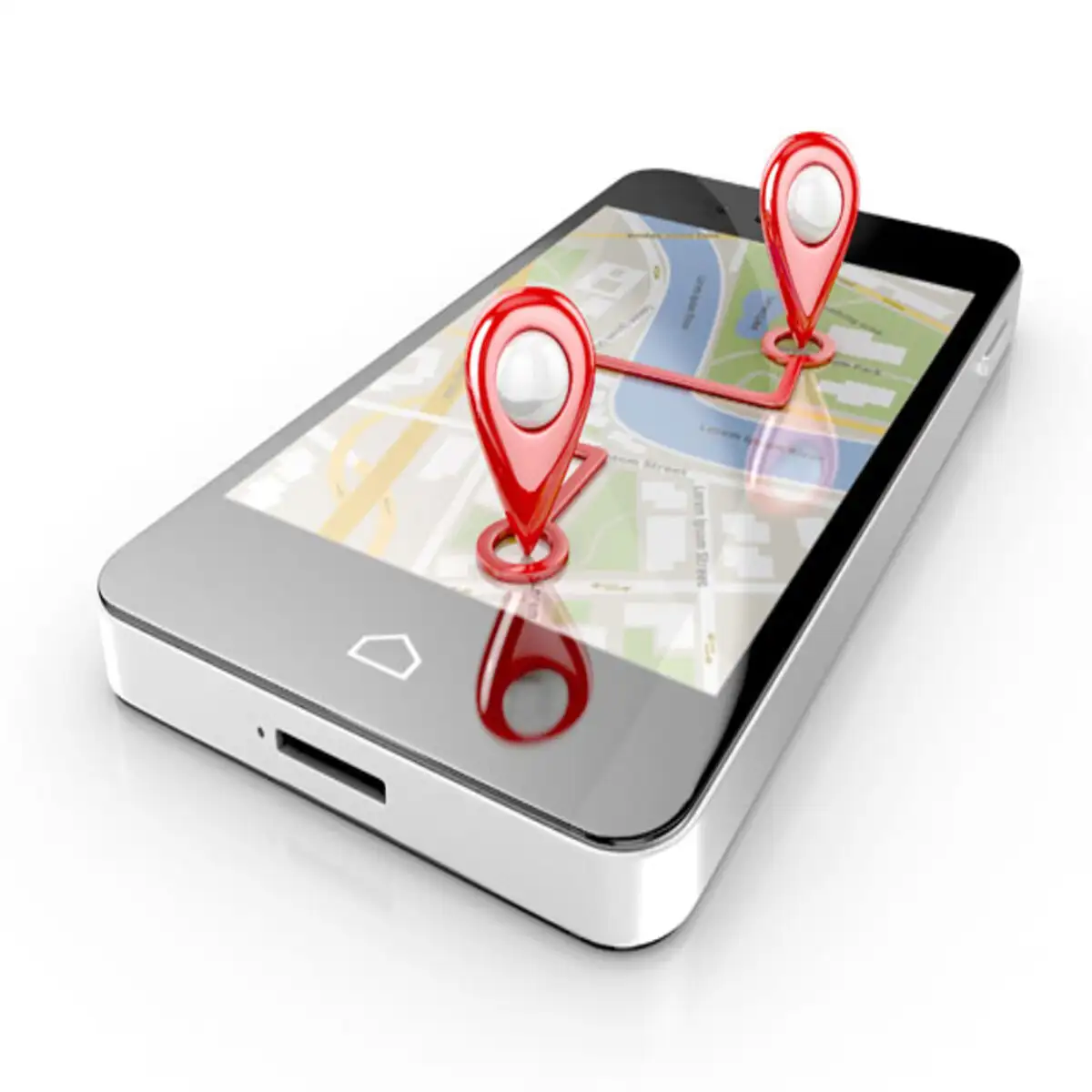
Mobile location tracking combines Global Positioning System (GPS) technology with artificial intelligence to monitor, analyze, and predict a device's geographical position in real time. Think of it as a digital breadcrumb trail—every time your phone connects to GPS, cell towers, or Wi-Fi networks, it leaves data behind. AI tools then process this data to deliver insights, improve services, or unfortunately, enable surveillance.
The technology works by combining multiple sensors embedded in your smartphone. Your device uses GPS satellites for precise outdoor positioning, Wi-Fi signals for faster indoor detection, and cell tower triangulation for backup accuracy when GPS fails. AI algorithms then apply sensor fusion and machine learning to filter out noise and create a smooth, accurate location path. What used to require manual hours of work now happens in seconds.
Location tracking isn't new, but AI has made it dramatically more sophisticated. Machine learning models can now predict where you'll be next, identify your routines, and even recognize places you visit based on patterns. This is why your weather app knows your exact location before you even check it, and why maps suggest restaurants near you automatically.
Key Features & Benefits of AI Location Tracking Tools
AI-powered location tracking offers several legitimate advantages when used responsibly:
Real-Time Navigation and Mapping — Apps like Google Maps and Mapbox use AI to process live traffic data, predict congestion, and suggest optimal routes. The AI learns from millions of user journeys to improve accuracy continuously.
Offline Location Storage — Advanced AI tools store location data locally on your device when internet is unavailable. Once reconnected, the data syncs automatically. This is helpful for delivery drivers, field workers, and adventure enthusiasts.
Mock Location Detection — This safety feature prevents apps from being fooled by fake GPS signals. If someone tries to spoof their location (pretending to be somewhere else), AI algorithms detect the inconsistency and flag it.
Battery Optimization — AI determines when your device truly needs GPS versus when Wi-Fi or cell data suffices. This reduces battery drain while maintaining reasonable accuracy.
Location Analytics for Businesses — Retailers and logistics companies use AI location data to understand customer flow, optimize delivery routes, and improve store layouts. The data is typically anonymized.
Emergency Services Precision — When you call emergency services, AI-enhanced location data helps dispatchers find you faster, even indoors or in dense urban areas.
Personalized Content — Weather apps, restaurant finders, and local event platforms use your location to deliver relevant, timely information without requiring you to type searches.
Comparison: AI Location Tracking vs. Traditional Methods
| Feature | Traditional GPS | AI-Enhanced Tracking | Mobile App Tracking |
|---|---|---|---|
| Accuracy | 5-10 meters | 1-3 meters | Highly variable |
| Speed | Slow initialization | Instant with AI caching | Fast but invasive |
| Battery Impact | High drain | Optimized by AI | Often drains quickly |
| Privacy Control | Limited options | User-controlled AI settings | Usually minimal control |
| Offline Capability | No | Yes, with local storage | Requires internet |
| Data Processing | Manual, time-consuming | Automated, real-time | Continuous background tracking |
| Predictive Insights | Not available | Advanced ML predictions | Often sold to third parties |
Traditional GPS technology simply records coordinates. AI location tracking interprets those coordinates, understands patterns, and makes predictions. Mobile app tracking, by contrast, often collects excessive data with limited transparency about how it's used or who sees it.
Pros & Cons of Using AI Location Tracking Tools
Advantages
Convenience — You get turn-by-turn navigation, nearby recommendations, and automatic time-stamping without lifting a finger. AI makes location services feel effortless.
Safety Features — Parents can check on children's locations (with consent). Friends can share live location during meetups. Emergency responders can locate stranded motorists faster.
Accuracy — AI filtering removes GPS noise that traditional systems struggled with. Indoor positioning, urban canyon navigation, and tunnel transitions all work better.
Personalization — Your device learns your patterns and serves relevant information. No more searching for nearby coffee shops—AI suggests them based on your habits.
Business Intelligence — Companies gain legitimate insights into customer behavior, traffic patterns, and operational efficiency.
Disadvantages
Privacy Invasion — Apps often request location permissions they don't actually need. The weather app shouldn't track you second-by-second, yet many do.
Data Monetization — Your location history has value. Brokers buy and sell this data to advertisers, insurance companies, and sometimes governments without your explicit consent.
Stalking Risk — If someone installs tracking software on your device, they can follow your every move. Location data is a stalker's dream tool.
Algorithmic Bias — AI models trained on incomplete data can display biases. Location analytics might show inaccurate patterns for underrepresented communities.
Regulatory Complexity — Laws like GDPR and CCPA attempt to protect location privacy, but enforcement remains weak across many jurisdictions.
Security Vulnerabilities — Location tracking SDKs (software kits) embedded in apps sometimes leak data due to poor security. Major breaches have exposed millions of location records.
Profiling — Combining location data with other information creates detailed behavioral profiles that reveal sensitive patterns (medical visits, places of worship, relationships).
Latest Updates & Best Practices for Mobile Location Tracking in 2026
iOS 18+ Privacy Controls — Apple now requires apps to ask for location permission every time they want access, rather than once forever. You can grant "While Using the App" or "Allow Once" permissions, giving you granular control.
Android 15 Approximate Location Option — Google introduced approximate location sharing. Apps get general area data (neighborhood level) instead of exact coordinates, reducing privacy risk while maintaining functionality.
VPN Integration at OS Level — Both iOS and Android now offer native VPN features that mask your IP address and prevent apps from correlating your location with your online identity.
Location Activity Dashboard — Platforms like Google Account let you view and delete your entire location history. Review this regularly—you might be shocked at what's recorded.
Educational Use Cases — Schools increasingly use location-based learning apps to teach geography, environmental science, and local history. Responsible implementations include transparent privacy policies and parental controls.
Corporate Location Tracking — Businesses implementing employee location monitoring now face stricter requirements. Many jurisdictions require explicit consent and clear notification policies.
Emerging AI Features — Modern location AI now includes behavior prediction (where will you go next?), social connection mapping, and contextual recommendations. These capabilities offer convenience but raise new privacy concerns.
How to Safely Use Location Tracking: Practical Tips
Review App Permissions Monthly — Go to your phone's privacy settings (Settings → Privacy → Location Services on iOS, or Settings → Apps & Notifications on Android). Check which apps have location access. Disable any that don't need it.
Use "While Using" Not "Always" — When an app requests location permission, choose "While Using the App" instead of "Always." This prevents background tracking when you're not actively using the app.
Disable Location for Advertising — Advertisers track you through ad IDs (IDFA on iPhone, GAID on Android). Disable ad personalization: on iOS, go to Settings → Privacy → Apple Advertising and toggle off "Personalized Ads." On Android, go to Settings → Google → Manage Your Google Account → Data & Privacy and disable Ad personalization.
Turn Off Location Between Uses — Power down location services when not navigating or using location-dependent apps. Enable it only when needed. Your battery and privacy thank you.
Delete Location History Regularly — Google stores every place you've visited. Go to myactivity.google.com, navigate to "Location History," and delete entries. Do this monthly.
Use a Privacy-Focused VPN — A Virtual Private Network masks your IP address, preventing apps and websites from correlating your location with your online identity. Use on public Wi-Fi especially.
Be Careful with Public Wi-Fi — Even with VPN, public networks are risky. Avoid connecting to unsecured hotspots unless you trust the source. Attackers can intercept location data.
Test Google Timeline — Visit your Google Timeline (timeline.google.com) and verify the locations shown are accurate. If you see places you've never visited, a malicious app might be tracking you.
Install Reputable Antivirus — Spyware is installed through malicious apps, phishing links, or drive-by downloads. A quality antivirus detects and removes these threats before they steal location data.
Educate Yourself on Tracking Methods — Location data leaks not just through GPS. Cell tower data, Wi-Fi signals, and even Bluetooth can reveal your position. Understanding all tracking vectors helps you defend against them.
Frequently Asked Questions
Q: Can someone track my location if I have GPS turned off?
A: Yes. Cell towers pinpoint your location through signal strength analysis. Wi-Fi networks do the same. Airplane mode is your only guarantee of no tracking, but it disables all connectivity. Your best bet is using location permissions per-app rather than disabling GPS entirely, since many useful services depend on it.
Q: Is location tracking by apps legal?
A: It depends on jurisdiction and consent. In the EU, GDPR requires explicit opt-in consent. In the US, regulations are weaker—companies can track you if you agree in terms of service, which most people never read. Many states are strengthening laws. Always read privacy policies before granting location access.
Q: What's the difference between location tracking and geolocation?
A: Geolocation is the technology that identifies your location. Location tracking is the ongoing monitoring of that location over time. Geolocation is neutral; tracking raises privacy concerns because it creates a detailed history of your movements and patterns.
Q: Can I use location tracking tools educationally?
A: Absolutely. Teachers use location-based apps to teach geography, environmental science, and local history. Students can track migration patterns of animals, analyze traffic flow in cities, or create location-based scavenger hunts. Ensure the app has transparent privacy policies and parental controls before using it in education.
Q: What should I do if I suspect I'm being tracked without consent?
A: Check your location history in Google Timeline and Apple Location Services. Look for unfamiliar places. Check for unknown apps that request location. If you suspect spyware, run a full antivirus scan. If you suspect a person is tracking you (like a partner), contact local law enforcement—unauthorized tracking is illegal in most jurisdictions.
Q: Are there AI tools that provide location tracking while protecting privacy?
A: Yes. Tools like Mapbox MapGPT use location intelligence responsibly with user control. Federated learning models that process data on-device rather than sending it to servers also protect privacy. The key is transparency—good tools clearly state what data they collect and who can access it.
Q: How often should I audit my location permissions?
A: Monthly is ideal. Apps update frequently and sometimes request new permissions. Location data breaches happen regularly, so staying aware helps you respond quickly if your data is exposed.
Conclusion
Mobile location tracking powered by AI is neither inherently good nor bad—it's a powerful tool that depends entirely on how it's used. Navigation feels magical because AI processes location data intelligently. But that same technology enables invasive surveillance if left unchecked.
The path forward requires balance. Use location services for genuine convenience. Understand how your data is collected. Take control of your permissions. Stay informed about privacy laws in your region. Teach the next generation about both the benefits and risks of location tracking.
Your location data is personal. It reveals where you work, worship, love, and heal. Protecting it isn't paranoia—it's self-respect. Take 15 minutes this week to audit your location permissions. Delete your location history. Review what Google or Apple knows about you. Start small, stay consistent, and you'll maintain control over one of your most valuable digital assets.
Ready to take action? Begin by visiting your phone's privacy settings right now. Disable location access for apps that don't truly need it. Your future self will appreciate the peace of mind