Money shouldn’t just sit in your account collecting dust. In today’s world, there are countless opportunities to grow your wealth through smart financial decisions. Whether you’re looking to build a safety net, create passive income streams, or achieve complete financial freedom, understanding how to leverage finance can transform your life.
Let me share something real with you. I’ve seen people work 60-hour weeks and still struggle financially, while others who understand these principles enjoy comfortable lifestyles with multiple income streams. The difference? Knowledge and action.
What Does Earning Money Through Finance Really Mean?
Earning money through finance means using your existing resources—whether that’s savings, skills, or time—to generate income beyond your regular paycheck. It’s about making your money work as hard as you do.
Think of it this way: when you work a traditional job, you trade hours for dollars. But when you earn through finance, your money multiplies even while you sleep. This includes everything from investing in stocks and real estate to creating passive income streams through dividends and rental properties.
The beauty of financial earnings is that they compound over time. A small investment today can grow into substantial wealth tomorrow, especially if you start early and stay consistent.
Key Benefits of Building Wealth Through Finance
Financial Security and Peace of Mind
Having multiple income sources protects you from unexpected life events. Job loss, medical emergencies, or economic downturns become less frightening when you have diversified income streams supporting your lifestyle.
Time Freedom
Passive income gives you something priceless: time. Instead of working longer hours for more money, you can spend time with family, pursue hobbies, or travel while your investments continue generating returns.
Early Retirement Potential
Smart financial planning can help you retire years or even decades earlier than traditional retirement age. Many people achieve financial independence in their 40s or 50s by consistently applying wealth-building strategies.
Generational Wealth
Building wealth isn’t just about you. It’s about creating opportunities for your children and future generations. Through smart investing and financial education, you can break cycles of financial struggle.
Inflation Protection
Money sitting in a regular savings account loses value over time due to inflation. Strategic investments help your wealth grow faster than inflation, preserving and increasing your purchasing power.
Top Investment Strategies for Earning Money
Stock Market Investing
The stock market remains one of the most accessible ways to build wealth. When you purchase shares of a company, you own a piece of that business. As the company grows and becomes more valuable, so does your investment.
Two Main Ways to Profit:
Capital gains happen when you buy stocks at a lower price and sell them when their value increases. For example, purchasing stock at $50 and selling at $80 gives you a $30 profit per share.
Dividend income comes from companies that share their profits with shareholders. Many established companies pay quarterly dividends, providing regular passive income regardless of stock price movements.
Getting Started:
Begin with index funds or ETFs if you’re new to investing. These funds track market indexes like the S&P 500 and automatically diversify your investments across hundreds of companies. The S&P 500 has historically returned about 10% annually over long periods.
Consider dividend aristocrats—companies that have increased their dividends for 25+ consecutive years. Examples include Coca-Cola, Johnson & Johnson, and McDonald’s. These stable companies provide both growth potential and reliable income.
Pro Tip: Use dollar-cost averaging by investing a fixed amount regularly (weekly or monthly) regardless of market conditions. This strategy reduces the impact of market volatility and removes the stress of timing the market perfectly.
Bonds and Fixed-Income Securities
Bonds offer more stability than stocks, making them perfect for conservative investors or those nearing retirement. When you buy a bond, you’re essentially lending money to a government or corporation in exchange for regular interest payments.
Types of Bonds:
Treasury bonds are backed by the U.S. government and considered extremely safe. Current yields range between 4% and 5%, providing steady returns with minimal risk. The income from Treasury bonds isn’t taxed at the state level, making them tax-efficient.
Corporate bonds typically offer higher yields than government bonds but carry slightly more risk. High-grade corporate bonds from stable companies can provide returns between 5% and 7%.
Municipal bonds are issued by states and cities to fund public projects. They often provide tax-free income, making them attractive for investors in higher tax brackets.
Investment Strategy:
Allocate a portion of your portfolio to bonds based on your age and risk tolerance. A common rule suggests holding your age in bonds (if you’re 40, consider 40% bonds and 60% stocks). This balance provides both growth potential and stability.
Real Estate Investment Opportunities
Real estate has created more millionaires than any other investment vehicle. Whether through rental properties, house flipping, or REITs, real estate offers multiple paths to wealth.
Rental Properties
Owning rental properties generates monthly cash flow while building long-term wealth through property appreciation. The average landlord earns over $16,000 annually from rental income, though returns vary significantly by location and property type.
Calculate your potential profit carefully. If you want $10,000 in annual rental income and your monthly costs (mortgage, taxes, maintenance) total $2,300, you need to charge at least $3,133 monthly in rent to meet your goal.
House Flipping
This strategy involves buying undervalued properties, renovating them, and selling for a profit. While potentially lucrative, it requires construction knowledge, capital, and carries higher risk. Many successful flippers start small with single properties before scaling up.
REITs (Real Estate Investment Trusts)
Don’t want to deal with tenants or property maintenance? REITs let you invest in real estate through the stock market. These companies own and manage income-generating properties like apartments, office buildings, and shopping centers.
REITs typically pay out 90% of their taxable income as dividends, offering yields between 3% and 6%. You can start investing with as little as the price of one share, making real estate accessible to everyone.
Key Consideration: Real estate requires careful planning. Factor in property taxes, insurance, maintenance costs, and potential vacancy periods. Positive cash flow from day one should be your goal.
High-Yield Savings Accounts and CDs
While these won’t make you rich overnight, they’re essential for building your financial foundation. High-yield savings accounts currently offer over 4% APY, significantly outpacing the inflation rate of 2.9%.
A $10,000 deposit earning 4% annual interest generates about $400 yearly with monthly compounding. This beats traditional savings accounts that often pay less than 0.5%.
Certificates of deposit lock in fixed rates for specific periods (6 months to 5 years). While less flexible, they often provide slightly higher rates than savings accounts and guarantee your returns.
Best Practice: Keep 3-6 months of living expenses in a high-yield savings account as your emergency fund. This provides security while earning interest, ensuring you won’t need to sell investments during market downturns.
Creating Passive Income Streams
Dividend Investing for Regular Cash Flow
Building a dividend portfolio creates a reliable income stream without selling your investments. Many retirees live comfortably on dividend income alone.
The Schwab U.S. Dividend Equity ETF has averaged 11.2% annual returns over the past decade. Investing $400 monthly could potentially grow to $300,000 in 20 years, generating approximately $10,000 in annual dividend income at a 3.3% yield.
Building Your Portfolio:
Focus on dividend growth rather than just high yields. Companies that consistently increase dividends year after year typically have strong business models and financial health.
Diversify across sectors. Include technology, healthcare, consumer goods, utilities, and financials to protect against sector-specific downturns.
Reinvest dividends automatically through DRIP (Dividend Reinvestment Plans). This harnesses compound growth, significantly accelerating wealth accumulation.
Peer-to-Peer Lending
P2P lending platforms connect borrowers directly with investors, cutting out traditional banks. You can earn returns between 5% and 10% by funding personal loans, though this carries more risk than traditional investments.
Start with small amounts across multiple loans to diversify risk. Never invest money you can’t afford to lose, as borrower defaults are possible.
Creating and Selling Digital Products
Have expertise in a particular area? Create online courses, eBooks, or templates that generate passive income long after the initial work is complete.
Online course creators earn an average of $40 per hour through platforms like Udemy, Teachable, and Kajabi. A well-designed course on budgeting, investing, or professional skills can generate $1,000 to $10,000+ monthly once established.
Teachers selling lesson plans on platforms like Teachers Pay Teachers often earn over $1,000 monthly with consistent uploads. The key is creating evergreen content that remains relevant and valuable over time.
Royalties and Licensing
License your creative work—whether designs, photographs, music, or written content—to earn ongoing royalties. Stock photography sites like Shutterstock and Adobe Stock pay royalties each time someone uses your images.
While individual sales might seem small, they accumulate over time. Successful contributors with large portfolios earn $100 to $2,000+ monthly from royalties alone.
Leveraging Skills and Knowledge
Financial Consulting and Freelancing
If you understand finance, accounting, or taxes, you possess valuable skills people will pay for. Financial consultants and freelancers on platforms like Upwork and Fiverr charge between $12 and $50+ per hour depending on expertise.
Virtual assistants with financial skills can earn $300 to $1,500 monthly handling bookkeeping, budget analysis, or financial data entry for small businesses.
Content Creation and Monetization
YouTube creators in the personal finance niche earn $3 to $5 per 1,000 views through AdSense. A channel with 10,000 subscribers posting consistent, evergreen content about budgeting, investing, or financial tips can generate $1,000+ monthly through ads and affiliate marketing.
The beauty of content creation is that videos, blog posts, and podcasts continue earning money long after publication. One well-optimized video can generate income for years.
Teaching and Online Tutoring
Online tutors specializing in finance, accounting, or business topics can earn $40 to $50+ per hour through platforms like Preply. If you have advanced knowledge, private tutoring rates climb even higher.
Consider creating structured courses rather than one-on-one tutoring. This allows you to teach once and sell repeatedly, maximizing your time efficiency.
Smart Strategies for Building Wealth
The Power of Compound Interest
Albert Einstein allegedly called compound interest the eighth wonder of the world. Understanding this concept is crucial for financial success.
Here’s a powerful example: If you invest $50,000 per year from age 25 to 65 with an 8% return, you’ll have approximately $14 million by retirement. Even saving $25,000 annually results in over $7 million.
Starting early makes an enormous difference. Someone who invests $24,000 over 8 years starting at age 19 and then stops will end up with more money than someone who starts at 27 and invests for the next 38 years—assuming identical returns.
Action Step: Start investing immediately, even if you can only afford small amounts. Time is your greatest asset when building wealth.
Dollar-Cost Averaging
This strategy removes emotion from investing. Instead of trying to time the market perfectly (which even professionals struggle to do), invest a fixed amount regularly regardless of market conditions.
When prices are high, your money buys fewer shares. When prices drop, the same amount buys more shares. Over time, this averages out your purchase price and typically outperforms attempts at market timing.
Tax-Efficient Investing
Utilize tax-advantaged accounts to keep more of your money. Traditional IRAs and 401(k)s reduce your current taxable income, while Roth IRAs provide tax-free growth and withdrawals in retirement.
Max out employer 401(k) matches first—it’s literally free money. Then contribute to IRAs, HSAs (Health Savings Accounts), and other tax-advantaged vehicles before investing in taxable accounts.
Avoiding Common Pitfalls
Lifestyle Creep: As your income grows, resist the urge to increase spending proportionally. People earning $500,000 who spend $480,000 aren’t building wealth any faster than someone earning $100,000 and spending $80,000.
High-Interest Debt: Credit card interest rates often exceed 18%. Paying only minimum payments on a $1,000 balance takes 20 years and costs over $3,000 in interest. Eliminate high-interest debt before aggressive investing.
Emotional Investing: Markets fluctuate. Selling during downturns locks in losses, while panic buying during rallies leads to overpaying. Stick to your plan regardless of market noise.
Chasing Get-Rich-Quick Schemes: Legitimate wealth building takes time. If something promises extraordinary returns with no risk, it’s likely a scam.
Cryptocurrency and Alternative Investments
While highly volatile, cryptocurrency has created significant returns for early investors. Bitcoin, Ethereum, and other digital currencies represent a new asset class that some include in diversified portfolios.
Important Warning: Only invest what you can afford to lose completely. Crypto markets are extremely unpredictable. Many financial advisors recommend limiting crypto to 5% or less of your total portfolio.
Research thoroughly before investing. Understand blockchain technology, specific coin purposes, and market fundamentals. Never invest based on hype or social media trends.
Comparison: Active vs. Passive Income Strategies
| Strategy Type | Time Required | Initial Investment | Risk Level | Potential Returns | Best For |
|---|---|---|---|---|---|
| Stock Trading | High | Medium | High | Variable | Experienced investors |
| Dividend Stocks | Low | Medium | Medium | 2-6% yield + growth | Long-term wealth building |
| Real Estate Rental | Medium | High | Medium | 8-15% annually | Those with capital & commitment |
| REITs | Low | Low | Medium | 3-6% yield | Beginners wanting real estate exposure |
| Bonds | Low | Low | Low | 3-5% | Conservative investors |
| High-Yield Savings | None | Low | Very Low | 4-5% | Emergency funds |
| Online Courses | High (upfront) | Low | Low | $1,000-10,000+/month | Experts with teaching ability |
| Peer-to-Peer Lending | Low | Medium | Medium-High | 5-10% | Risk-tolerant investors |
Pros and Cons of Different Approaches
Stock Market Investing
Pros:
- High long-term growth potential
- Easy to start with small amounts
- High liquidity (sell anytime)
- Tax-advantaged options available
- Automatic dividend reinvestment
Cons:
- Market volatility can be stressful
- Requires research and education
- Short-term losses possible
- Emotional discipline needed
- Capital gains taxes on profits
Real Estate Investment
Pros:
- Tangible asset you can see and touch
- Multiple revenue streams (rental income + appreciation)
- Tax deductions available
- Hedge against inflation
- Leverage with mortgages
Cons:
- Large capital requirements
- Property management responsibilities
- Less liquid than stocks
- Maintenance costs and unexpected repairs
- Risk of bad tenants or vacancies
Passive Income Streams
Pros:
- Earn money while sleeping
- Time freedom
- Scalable income potential
- Multiple streams create security
- Works 24/7 without your presence
Cons:
- Significant upfront time or money investment
- Often requires maintenance
- Income may fluctuate
- Takes time to build
- Not truly “passive” initially
Latest Updates and Trends for 2025
Rising Interest Rates Impact
With interest rates settling after recent increases, bond yields and high-yield savings accounts offer attractive returns. This makes fixed-income investments more competitive with stocks for conservative investors.
AI and Technology Integration
Robo-advisors and AI-powered investing tools make wealth management more accessible. Platforms now offer personalized portfolio recommendations, automatic rebalancing, and tax-loss harvesting at low costs.
ESG Investing Growth
Environmental, Social, and Governance investing continues gaining popularity. Investors increasingly want portfolios aligned with their values, and ESG funds often match or exceed traditional fund performance.
Real Estate Market Adjustments
Housing affordability remains challenging in many markets, but opportunities exist. Consider emerging markets, vacation rentals, or REITs as alternatives to traditional residential real estate.
Cryptocurrency Maturation
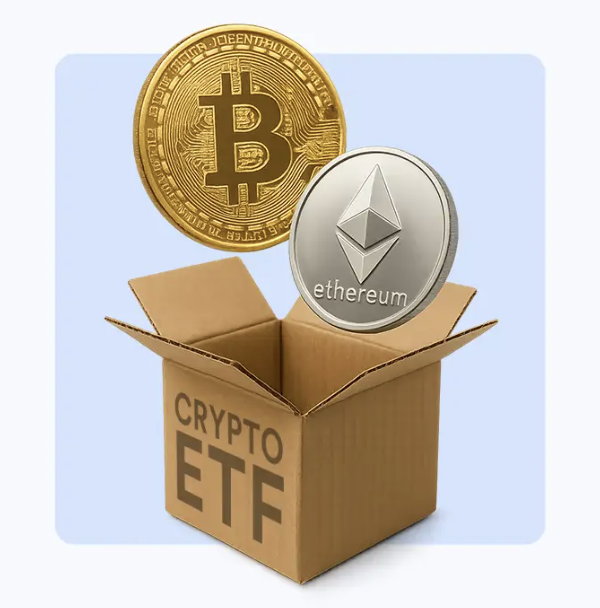
Major financial institutions now offer crypto services, lending legitimacy to digital assets. Bitcoin ETFs and regulated crypto exchanges make this asset class more accessible to traditional investors.
Tips for Maximizing Your Financial Success
Start Where You Are
You don’t need thousands of dollars to begin. Many brokerages offer fractional shares, letting you invest with as little as $5. The important thing is starting, not starting big.
Automate Everything
Set up automatic transfers from your checking to investment and savings accounts. This “pay yourself first” approach ensures consistent wealth building without relying on willpower.
Continuously Educate Yourself
Financial markets evolve. Read books, follow reputable financial blogs, take courses, and learn from successful investors. Knowledge compounds just like money.
Network Strategically
Attend financial industry events, join investment clubs, or participate in online communities. Learning from others’ experiences accelerates your own growth.
Track Your Progress
Review your net worth monthly. Monitor income, expenses, savings, investments, and liabilities. What gets measured gets managed.
Stay Disciplined During Volatility
Markets will fluctuate. Having a clear plan and sticking to it through ups and downs separates successful investors from everyone else.
Protect Your Downside
Maintain adequate insurance coverage, keep an emergency fund, and diversify investments. Protecting what you’ve built is as important as building it.
Frequently Asked Questions
How much money do I need to start investing?
You can start with as little as $5 through apps offering fractional shares. However, having $1,000 to $3,000 provides better diversification options. The key is starting immediately rather than waiting until you have more.
What’s the best investment for beginners?
Low-cost index funds or ETFs tracking the S&P 500 are ideal for beginners. They provide instant diversification, require minimal research, and have historically delivered solid returns. Many financial advisors recommend starting with funds like VOO or SCHD.
How long does it take to achieve financial freedom?
This varies based on income, expenses, and investment returns. Someone saving 20% of their income and earning 8% returns might achieve financial independence in 30-35 years. Increasing savings rates and returns can dramatically shorten this timeline.
Should I pay off debt or invest first?
Pay off high-interest debt (over 7% interest) before investing, as the guaranteed return from eliminating that debt exceeds typical investment returns. However, contribute enough to get full employer 401(k) matches while paying down debt.
Is real estate better than stocks?
Neither is universally better. Stocks offer liquidity and require less active management, while real estate provides tangible assets and tax benefits. Most wealthy individuals invest in both, creating a diversified portfolio.
Conclusion
Building wealth through finance isn’t reserved for the already wealthy or financially sophisticated. It’s achievable for anyone willing to learn, take action, and stay consistent over time.
Start by building a solid foundation with emergency savings and eliminating high-interest debt. Then begin investing in diversified assets that match your risk tolerance and goals. Create passive income streams that work around the clock, and continuously educate yourself about new opportunities.
Remember, financial freedom isn’t about a specific dollar amount. It’s about having enough income and assets to live life on your terms, without financial stress limiting your choices.
The journey of a thousand miles begins with a single step. Take yours today. Open that investment account, start that side hustle, or purchase your first dividend stock. Future you will thank present you for having the courage to begin.
Your path to financial independence starts now. Every dollar you invest today is a soldier in your army of wealth, working tirelessly to secure your financial future. The question isn’t whether you can achieve financial freedom—it’s when you’ll start.
Ready to take control of your financial future? Start by choosing one strategy from this guide and implementing it this week. Whether it’s opening a high-yield savings account, purchasing your first index fund, or creating a budget that prioritizes saving, that first action creates momentum for lasting change.