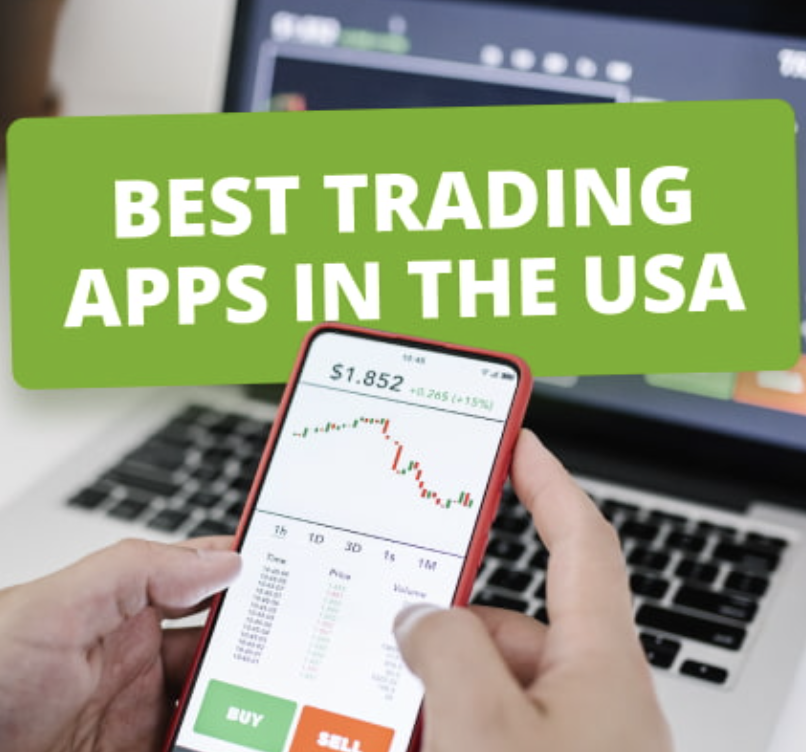

In 2026, investing no longer feels like a privilege reserved for finance experts or the wealthy. With just a smartphone, beginners worldwide can dip their toes into stocks, ETFs, and diversified portfolios through simple, intuitive apps. These tools have removed old barriers like high minimum deposits and confusing interfaces, turning what once felt intimidating into something approachable and even fun.
Whether you’re saving for a future home, building an emergency fund buffer, or just want your money to grow passively, this guide breaks it all down. You’ll discover what makes a great beginner app, the top-rated options, how they compare, and practical steps to get started confidently.
What Are Investment Apps for Beginners?
z are mobile-first (or web-based) platforms that let everyday people buy stocks, ETFs, bonds, and more without needing a traditional stockbroker. They’re built specifically for newcomers—think clean dashboards, bite-sized lessons, and features like “round-up” savings or robo-advisors that do the heavy lifting.
Unlike old-school brokerages that required phone calls and hefty fees, these apps focus on accessibility. Many let you start with $5 or less thanks to fractional shares, which let you own a slice of expensive companies like Amazon or Tesla. The goal? Make investing feel less like gambling and more like smart, consistent saving.
Key Features of the Best Investment Apps for Beginners
The strongest apps share traits that directly help new investors succeed:
- Low or zero minimum deposits — Start small without pressure.
- Commission-free trading on stocks and ETFs.
- Fractional shares — Invest tiny amounts in big-name companies.
- Automated investing (robo-advisors) — The app builds and rebalances a portfolio for you.
- Built-in education — Glossaries, articles, videos, and real-time explanations.
- Strong security — Regulated platforms with investor protections (like SIPC in applicable regions).
- Intuitive mobile apps — Simple navigation, alerts, and progress trackers.
These features reduce overwhelm and help you learn while your money works.
Best Investment Apps for Beginners in 2026
Here are the standout choices based on expert evaluations for ease, cost, and real beginner value. Each has unique strengths—pick what matches your style.
Fidelity
Fidelity earns frequent “best overall” nods for its balance of power and simplicity. It offers commission-free stock and ETF trades, no account minimum, fractional shares, and excellent research plus educational articles. Beginners love the net-worth tracker and 24/7 support. It’s ideal if you want to grow from novice to confident investor without switching apps later.
Acorns
Acorns shines for true hands-off beginners. Link your debit card and it automatically rounds up everyday purchases (coffee = $4.75 becomes $5 invested). The app builds a diversified portfolio matched to your risk level, with solid educational content. Great for busy people who want investing to happen in the background. Monthly fees start around $3–$5 depending on plan.
Robinhood
Robinhood made investing mobile and fun. Zero-commission trades, fractional shares from $1, and a sleek app keep it popular. It now includes IRA matching and alerts. Perfect for beginners who like checking their portfolio on the go—though its gamified feel means you’ll want to set spending rules early.
Charles Schwab
Schwab’s mobile app stands out for education and support. You get fractional “Stock Slices” from S&P 500 companies starting at $5, thousands of no-fee mutual funds, and clear research tools. Customer service is responsive, making it reassuring for newcomers who value guidance alongside low costs and no minimums.
Betterment
Betterment is the go-to robo-advisor for pure automation. Answer a few questions about your goals and risk tolerance, and it creates, rebalances, and optimizes a portfolio (with tax-loss harvesting). No minimum for basic accounts and low fees make it perfect if you prefer “set it and forget it” over picking individual stocks.
For users outside the US seeking global reach, eToro offers similar beginner-friendly social features like copy trading across 100+ countries and a large educational academy.
Comparing the Top Investment Apps
| App | Best For | Minimum Deposit | Monthly Fees | Standout Feature | Ideal User Type |
|---|---|---|---|---|---|
| Fidelity | Overall reliability | $0 | $0 | Education + full accounts | Long-term learners |
| Acorns | Micro-investing | $5 | $3+ | Round-ups & automation | Busy hands-off beginners |
| Robinhood | Mobile simplicity | $1 | $0 | Fractional shares + IRA match | Mobile-first users |
| Charles Schwab | Education & support | $0 | $0 | Research + customer service | Guidance seekers |
| Betterment | Hands-off robo-advising | $0 | 0.25% AUM | Tax optimization | Passive investors |
Choose based on whether you want control (Fidelity/Robinhood) or automation (Acorns/Betterment). Most are free to start, but small-account fees matter if you’re investing tiny amounts.
Pros and Cons of Investment Apps for Beginners
Pros
- Extremely convenient—invest during your commute.
- Low barriers mean you can start today with pocket change.
- Education tools turn beginners into informed investors quickly.
- Automation removes emotion from decisions.
- Many include community or alert features for ongoing learning.
Cons
- Investing always involves market risk—apps don’t eliminate losses.
- Some designs (like Robinhood) can tempt impulsive trading.
- Monthly fees on tiny balances can reduce early gains.
- Features may feel limited until you upgrade or grow your portfolio.
The key is using the app as a tool, not a toy. Discipline beats any flashy interface.
Practical Tips and Best Practices
Getting started is easier than you think. Follow these steps:
- Learn the basics first — Spend 30 minutes a day on the app’s tutorials before depositing money.
- Start tiny and consistent — Even $20 a month compounds beautifully over time.
- Link a bank account and set up automatic transfers so investing becomes a habit.
- Diversify early — Mix broad ETFs rather than betting on single stocks.
- Use paper trading or demo modes (available in several apps) to practice risk-free.
- Review quarterly, not daily — Avoid stress from short-term market swings.
- Check availability in your country — Regulations vary; always verify on the official site.
Real-life example: A young professional started with Acorns round-ups while commuting. Within 18 months she had a small but growing portfolio and enough confidence to add manual contributions—proving small steps add up fast.
FAQs
What is the best investment app for absolute beginners in 2026?
Fidelity or Acorns usually top the list. Fidelity offers more education and flexibility; Acorns wins for completely passive round-up investing. Try both free versions and see which feels right.
Are investment apps safe?
Reputable ones are heavily regulated and use bank-level security. Look for investor protection schemes (such as SIPC where available). Your money is protected if the platform has issues, but remember: markets can go down as well as up.
Do I need a lot of money or experience to begin?
Absolutely not. Many apps have $0 minimums and let you buy fractional shares. The built-in lessons teach you everything step by step—no finance background required.
How do these “free” apps actually make money?
Through premium subscriptions, interest earned on your uninvested cash, or small management fees on robo-advisor portfolios. Transparent pricing is standard—always read the fee schedule.
Can beginners invest in international markets through these apps?
Yes! Most include global ETFs or stocks from multiple countries, helping you diversify beyond your home market right from day one.
Conclusion
The best investment apps for beginners in 2026 have truly leveled the playing field. With low costs, smart automation, and generous education, anyone can start building wealth—one small, consistent step at a time.
Pick one that matches your personality (hands-on or hands-off), start small, stay curious, and let time do the heavy lifting. Your future self will thank you.
Ready to begin? Explore these trusted platforms, open a free account, and take that first easy step toward financial confidence today.