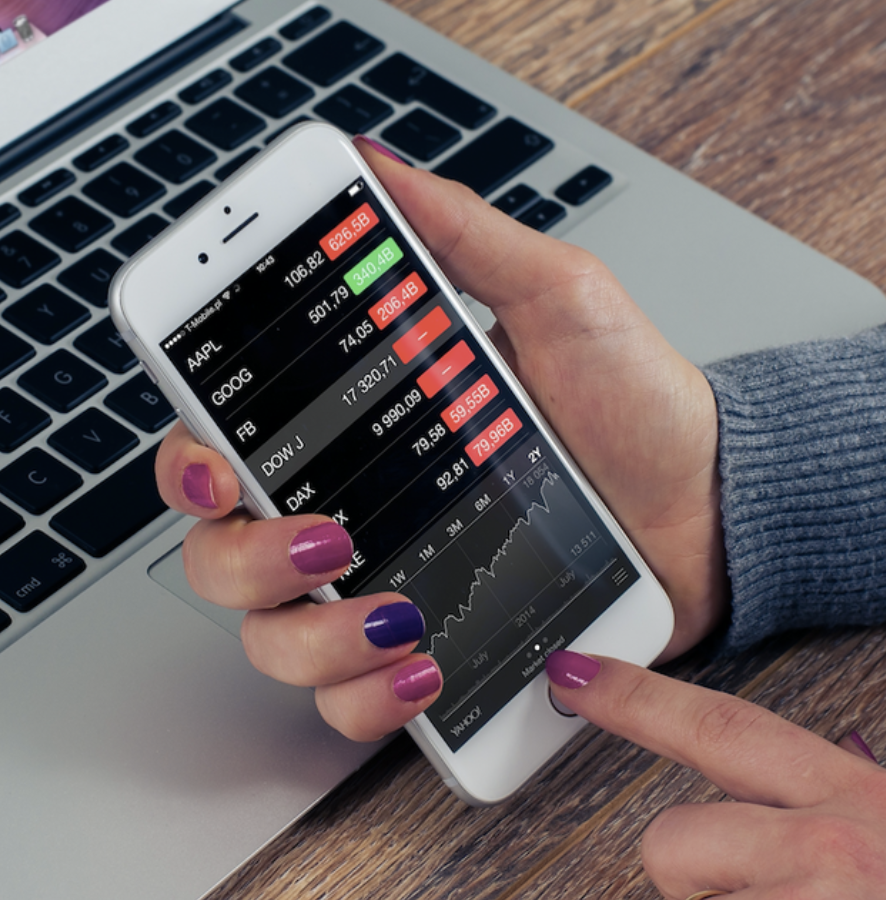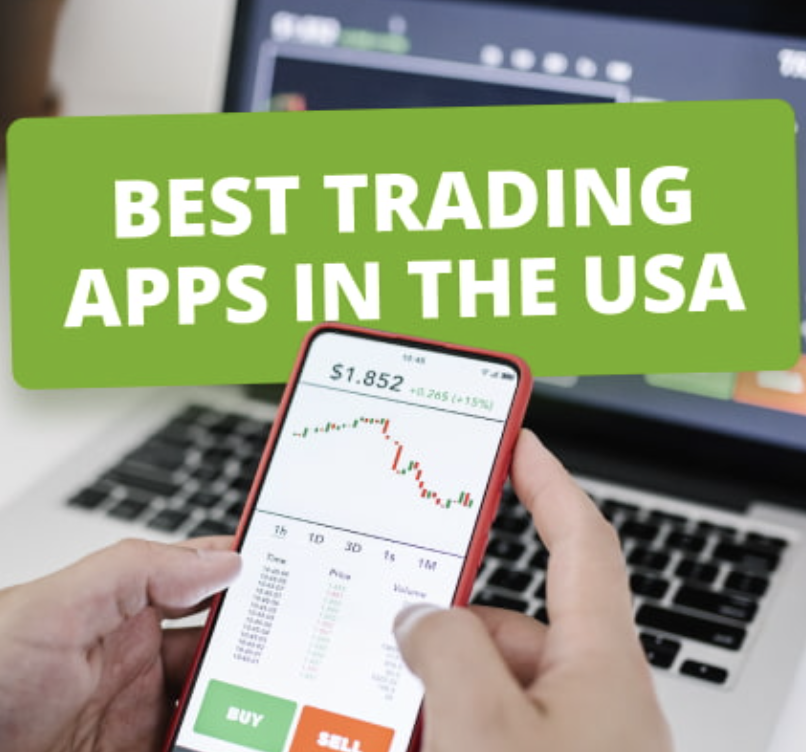

Have you ever wondered how millions of people are growing their wealth right from their smartphones? Stock trading is no longer just for Wall Street professionals. Today, anyone with a phone and a small amount of money can start investing.
In this guide, you will learn about the best stock trading apps available in the USA, what makes each one unique, and how to choose the right platform for your financial goals.
What Are Stock Trading Apps?
Stock trading apps are mobile or web-based platforms that allow individuals to buy and sell stocks, ETFs, mutual funds, and other financial instruments without visiting a physical broker.
These apps have made investing more accessible, affordable, and convenient for everyday people. Whether you are a complete beginner or an experienced investor, there is an app designed for your needs.
Key Features to Look for in a Stock Trading App
Before choosing any platform, here are the most important features you should consider:
- Commission-free trades — Many top apps now offer zero-commission trading, saving you money on every transaction.
- User-friendly interface — A clean, easy-to-navigate design helps beginners get started without confusion.
- Educational resources — Articles, videos, and tutorials help users make informed decisions.
- Real-time data — Live stock prices and market news are essential for smart trading.
- Security — Look for two-factor authentication and SIPC insurance coverage.
- Account minimums — Some apps let you start with as little as $1, which is great for new investors.
- Fractional shares — Ability to buy a portion of expensive stocks like Amazon or Apple.
Best Stock Trading Apps in the USA 2026
Here are the most trusted and widely used platforms available today:
1. Robinhood
Robinhood is one of the most popular apps for beginner investors. It pioneered commission-free trading and has a very simple interface.
Best for: Beginners who want a no-fuss experience Standout feature: Zero-commission trades on stocks, ETFs, and options Minimum investment: $0
Robinhood also offers a feature called fractional shares, meaning you can invest in big companies with just a few dollars.
2. Fidelity Investments
Fidelity is a well-established financial institution offering both a powerful mobile app and a full desktop platform. It is trusted by millions of long-term investors.
Best for: Long-term investors and retirement planning Standout feature: Excellent research tools and zero expense ratio index funds Minimum investment: $0
Fidelity is especially known for its outstanding customer service and educational content, making it ideal for serious investors.
3. Charles Schwab
Charles Schwab combines powerful investing tools with beginner-friendly features. After merging with TD Ameritrade, it became one of the largest brokerage platforms in the world.
Best for: Intermediate to advanced investors Standout feature: Access to thinkorswim trading platform Minimum investment: $0
The thinkorswim platform (now part of Schwab) is one of the most advanced trading tools available for free.
4. Webull
Webull is a great choice for investors who want deeper analytical tools without paying extra fees. It offers extended trading hours and detailed charts.
Best for: Technically-minded traders who love data Standout feature: Extended hours trading and detailed stock analysis Minimum investment: $0
Webull is often compared to Robinhood but offers significantly more advanced charting tools.
5. E*TRADE
E*TRADE (now part of Morgan Stanley) is one of the oldest online brokers in the USA. It offers a solid mobile app along with powerful desktop tools.
Best for: Active traders and options investors Standout feature: Power E*TRADE app with professional-grade tools Minimum investment: $0
E*TRADE is particularly well-regarded for its options trading features and educational library.
6. SoFi Invest
SoFi is a newer financial platform that combines investing with personal finance tools like banking and loans all in one app.
Best for: Young investors who want an all-in-one financial app Standout feature: Automated and active investing in one place Minimum investment: $1
SoFi also offers access to IPO shares and cryptocurrency, which is a unique bonus for adventurous investors.
Comparison Table
| App | Best For | Commission | Min. Investment | Fractional Shares |
|---|---|---|---|---|
| Robinhood | Beginners | $0 | $0 | ✅ Yes |
| Fidelity | Long-term investing | $0 | $0 | ✅ Yes |
| Charles Schwab | Advanced traders | $0 | $0 | ✅ Yes |
| Webull | Data-focused traders | $0 | $0 | ✅ Yes |
| E*TRADE | Options traders | $0 | $0 | ❌ Limited |
| SoFi Invest | All-in-one finance | $0 | $1 | ✅ Yes |
Pros and Cons of Using Stock Trading Apps
✅ Pros
- Easy access to financial markets from anywhere in the world
- Most top apps offer zero commissions
- Real-time market updates keep you informed
- Educational tools help beginners learn as they invest
- Fractional shares allow investing with very little money
❌ Cons
- Mobile apps can encourage impulsive trading decisions
- Some platforms have limited investment options
- Beginners may feel overwhelmed by too many features
- Market risk is always present — apps do not guarantee profits
- Customer support quality varies across platforms
Practical Tips for Using Stock Trading Apps
Here are some practical tips to help you invest smarter:
1. Start small and learn as you go. You do not need a large amount of money to start. Even $10 or $20 can help you understand how the market works before committing bigger amounts.
2. Use the educational resources available. Most apps like Fidelity and Schwab offer free courses, articles, and video tutorials. Take advantage of these before making your first trade.
3. Avoid emotional trading. One of the biggest mistakes new investors make is buying or selling based on fear or excitement. Always have a plan and stick to it.
4. Diversify your portfolio. Do not put all your money into one stock. Spread your investments across different industries and asset types to reduce risk.
5. Enable security features. Always use two-factor authentication and a strong password to protect your investment account.
6. Review your portfolio regularly. Check your investments once a week or month — not every hour. Constant checking often leads to unnecessary worry and poor decisions.
Frequently Asked Questions (FAQs)
Q1: Which stock trading app is best for absolute beginners? Robinhood and SoFi Invest are both excellent choices for beginners due to their simple interfaces, zero commissions, and low minimum investment requirements.
Q2: Are stock trading apps safe to use? Yes, most reputable apps in the USA are regulated by FINRA and the SEC. They also carry SIPC insurance, which protects your investments up to $500,000 in case the brokerage fails.
Q3: Can I use US stock trading apps from outside the USA? Some platforms like Webull and Interactive Brokers allow international users. However, availability depends on your country’s regulations. Always check the app’s terms before signing up from abroad.
Q4: Is there a minimum amount needed to start trading? Most top apps like Robinhood, Fidelity, and Webull have no minimum deposit requirement. You can literally start with $1 using fractional shares.
Q5: Do I have to pay taxes on stock trading profits? Yes. In the USA, profits from stock trading are subject to capital gains tax. It is always a good idea to consult a financial advisor or tax professional for guidance specific to your situation.
Conclusion
Stock trading apps have truly changed the way people invest. Whether you are just starting out or looking to take your portfolio to the next level, there is a platform perfectly suited to your goals.
From the beginner-friendly simplicity of Robinhood to the professional tools of Charles Schwab, each app offers something valuable. The key is to choose the one that matches your experience level, investment goals, and personal preferences.
Take your time, do your research, and always invest responsibly.
Explore these platforms, learn the basics, and take your first confident step toward financial growth today.
Disclaimer: This article is for informational purposes only and does not constitute financial advice. Always consult a qualified financial advisor before making investment decisions.