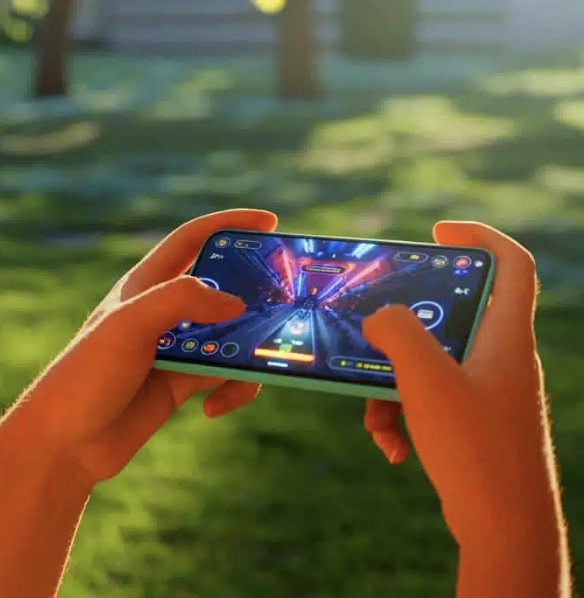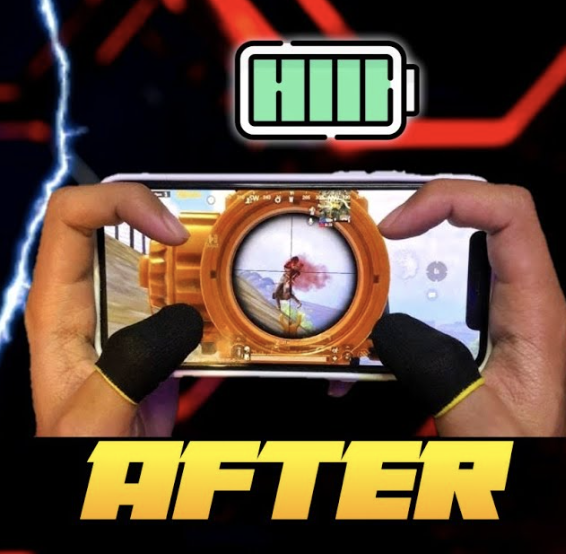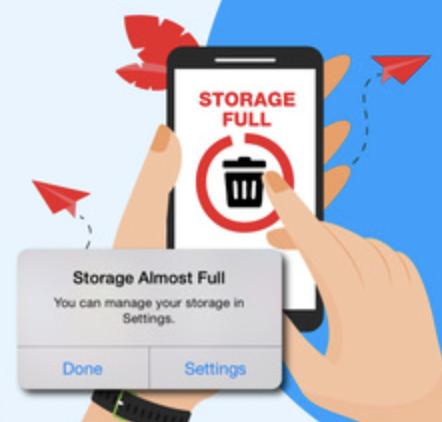

If you have ever lost a match because your finger was just a split second too slow, you already understand why reaction time matters. In fast-paced mobile games like PUBG Mobile, Free Fire, Call of Duty Mobile, or Clash Royale, the difference between winning and losing often comes down to milliseconds.
The good news is that reaction time is not purely a genetic gift. It is a skill you can train, refine, and maintain. This article walks you through everything you need to know about improving your reaction time in mobile games, from understanding what it actually is to the daily habits that sharpen your reflexes over time.
Whether you are a casual player looking to stop getting caught off guard or a competitive gamer aiming for top-tier performance, this guide has something practical for you.
What is Reaction Time in Mobile Games?
Reaction time is the total time it takes for you to perceive something on the screen and respond to it with a physical action, usually a tap, swipe, or button press.
In mobile gaming, this involves three stages happening one after another. First, your eyes detect a stimulus, such as an enemy appearing or a ball moving. Second, your brain processes that visual input and decides what action to take. Third, your fingers carry out that action on the screen.
The average human reaction time to a visual stimulus is around 200 to 250 milliseconds. Trained gamers, however, can bring this down to 150 milliseconds or even lower under optimal conditions.
In mobile-specific gaming, you also have to factor in the touchscreen latency of your device and any network lag if you are playing online. So reaction time is not just about your body. It involves your hardware, your environment, and your mental state all working together.
Why Reaction Time Matters More on Mobile Than on Console or PC
Mobile gaming presents unique challenges that make reaction time even more critical.
On a console or PC, you have physical buttons or a mouse that provide tactile feedback. On a touchscreen, you are pressing glass. There is no physical resistance to tell your finger it has registered a tap. This means you need sharper awareness of your own actions.
Additionally, mobile screens are smaller. Enemy models are often tiny on a phone display, which means your brain has less visual information to work with when processing what is happening in the game. The faster your reflexes, the better you compensate for these limitations.
Finally, mobile games are often designed around short, intense moments of decision-making. Battle royale games, one-on-one fighting games, and tower defense titles all demand that you react quickly and accurately without hesitation.
Key Benefits of Improving Your Reaction Time
Improving your reaction time does not just help you in one game. The benefits carry across multiple areas of your gaming life and even into daily activities.
Better in-game performance is the most obvious benefit. Faster reflexes mean you fire first, dodge more reliably, and time your abilities with greater precision.
Reduced frustration is another real benefit. Many players rage-quit not because the game is unfair, but because they feel mentally slow. When your reactions sharpen, you feel more in control, which makes the experience far more enjoyable.
Improved multitasking is a side effect many players do not expect. Training your brain to process multiple inputs at once carries over into real life. Many professional esports players report better focus during everyday tasks after regular training sessions.
Higher competitiveness follows naturally. When you are consistently faster than your opponents, climbing ranks becomes a realistic goal rather than a distant dream.
How Reaction Time Actually Works: The Science Behind It
Understanding the biology of reaction time helps you train it more effectively.
Your brain processes visual information through the occipital lobe at the back of your head. Once it identifies a threat or an opportunity, it sends a signal through your nervous system to your hands. The speed of this signal depends on how well-myelinated your nerve pathways are. Myelin is a fatty coating around nerve fibers that makes signals travel faster, and it develops through repetition and practice.
This is exactly why repetitive gameplay drills work. Every time you practice a specific reflex, such as tapping an enemy the moment they appear, you strengthen those neural pathways. Over time, the response becomes semi-automatic, meaning you act before you consciously decide to.
This is also why fatigue destroys reaction time. When your brain is tired, signal transmission slows down. Hunger, dehydration, and stress have similar negative effects. Professional gamers pay close attention to their physical condition because they know a tired brain is a slow brain.
Step-by-Step: How to Improve Reaction Time in Mobile Games
Step 1: Set Up Your Device for Optimal Performance
Before you train your reflexes, make sure your hardware is not slowing you down.
Enable high refresh rate mode if your phone supports it. A display running at 90Hz or 120Hz updates the screen more frequently than one running at 60Hz, which means you see in-game events sooner. Games like BGMI and Free Fire offer 90fps settings on supported devices.
Lower your graphics settings. This might feel counterintuitive, but smoother frame rates matter far more than prettier visuals when it comes to reaction time. Dropping textures and shadows in favor of stable 60fps or higher can shave meaningful milliseconds off your response window.
Reduce touchscreen sensitivity interference by removing any screen protector that creates input delay. Some thick or poorly fitted protectors add latency to touch registration.
Keep your phone cool. Thermal throttling, where your device slows down to manage heat, directly increases input lag. Play in a cool environment and avoid gaming while charging if it causes your device to heat up quickly.
Step 2: Practice Aim and Reflex Drills Regularly
Reaction training works like muscle training. Consistency over time produces results. Sporadic bursts of effort do not.
Use in-game training modes. Many shooting games offer practice ranges where you can shoot bots or targets without the pressure of a live match. Spend at least 10 to 15 minutes in training mode before each session.
Play games specifically designed to train reflexes. Titles like Aim Trainer apps available on mobile are purpose-built to develop faster target acquisition. Use them as warm-up tools before your main gaming sessions.
Focus on one skill per session. If you try to improve your flick shots, your strafe reactions, and your ability tracking all at once, you dilute your progress. Pick one element and drill it with full attention.
Step 3: Build Game Sense Alongside Raw Speed
Raw reaction time alone is not enough. Game sense, which is your ability to predict what is about to happen, effectively reduces the reaction time you need.
If you know an enemy is likely to peek from a specific corner based on the game situation, your brain starts preparing a response before the event even occurs. This is called anticipatory reaction, and it is one of the most powerful tools elite players use.
Watch replays of your own matches. Identify moments where you were caught off guard and think about what clues were available beforehand that you missed. Over time, you will start reading these clues automatically during live play.
Step 4: Optimize Your Control Layout
An uncomfortable control layout forces your fingers to travel further than necessary, adding unnecessary movement time to your response.
Experiment with different thumb and finger positions. Many competitive mobile players use claw grip or even three to four finger layouts that allow them to shoot and move simultaneously without awkward hand contortion.
Set your control sensitivity to a level where you can both track slow targets and flick to fast ones without overshooting. This usually requires time-specific tuning to your own hand size and grip style.
Step 5: Maintain Physical and Mental Sharpness
Your body directly affects your in-game performance.
Sleep at least seven to eight hours before serious gaming sessions. Sleep deprivation is one of the fastest ways to slow your reaction time. Studies in sports science consistently show that even one night of poor sleep can increase reaction time by 20 percent or more.
Stay hydrated throughout your session. Even mild dehydration affects cognitive performance. Keep water nearby and drink regularly.
Take breaks every 45 to 60 minutes. Extended focus leads to mental fatigue, which slows down decision-making. Short breaks reset your attention and keep your reactions sharp.
Exercise regularly. Physical activity increases blood flow to the brain, which directly supports faster neural processing. Even a 20-minute walk before a gaming session can make a noticeable difference.
Advantages and Limitations of Reaction Time Training
Training your reaction time has clear and well-documented advantages. You become more competitive, more confident, and more consistent in your performance. Progress compounds over time, meaning the longer you train, the more natural fast reactions feel.
However, there are honest limitations to acknowledge.
Age does play a role. Reaction time naturally peaks in your early to mid-twenties and gradually slows after that. This does not mean older players cannot compete, but it does mean their training must be more focused on game sense and positioning to compensate.
Device limitations create a ceiling. Even the fastest human reflexes are partially constrained by a device’s touch latency and frame rate. If your phone cannot run a game smoothly, training alone will not close that gap entirely.
Diminishing returns are real. After a certain point, further improvement in raw milliseconds becomes very small. At advanced levels, strategy and decision-making matter as much as pure speed.
Best Practices and Tips for Long-Term Improvement
Always warm up before competitive matches. Cold fingers and an unprepared brain are slower than warmed-up ones. Spend five to ten minutes in casual matches or practice mode before entering ranked play.
Track your progress. Some aim trainer apps show you your average reaction time over sessions. Seeing measurable improvement is motivating and helps you identify which drills are working.
Avoid phone gaming on low battery. Many devices throttle performance when the battery drops below 20 percent, which increases input lag noticeably.
Play in a distraction-free environment. Background noise and visual distractions split your attention and slow your processing. A focused environment allows your brain to dedicate full resources to the game.
Common Mistakes to Avoid
Playing while fatigued is probably the most common mistake. Many players grind late into the night on tilted, tired brains and wonder why their performance keeps dropping. Tired reflexes do not improve through more practice. They need rest.
Using the wrong sensitivity settings and never adjusting them is another common issue. Sensitivity that is too high leads to overshooting targets. Sensitivity that is too low makes it impossible to react to fast movements. Finding your personal sweet spot requires intentional testing and patience.
Ignoring warm-up routines shortchanges your potential every session. Jumping straight into high-stakes matches before your hands and brain are ready is the equivalent of sprinting without stretching first.
Focusing only on raw speed without developing game sense leads to a plateau. Players who rely solely on fast twitches get outplayed by slower opponents who predict their movements. Balance both.
Neglecting your physical health while expecting peak gaming performance is a contradiction. Your brain runs on sleep, food, and water. Treating gaming performance as separate from physical health is a mistake many competitive players make and later regret.
Frequently Asked Questions
What is a good reaction time for mobile gaming?
For most mobile games, a reaction time between 150 and 250 milliseconds is considered good. Elite competitive players often measure closer to 150 milliseconds under optimal conditions. Casual players typically sit between 250 and 350 milliseconds, which still allows for enjoyable gameplay.
Can reaction time be permanently improved through practice?
Yes, within limits. Regular and focused practice strengthens neural pathways through a process similar to muscle memory. However, factors like age and genetics set a natural ceiling. Most players have far more room for improvement than they realize before hitting that ceiling.
Does phone quality affect reaction time in mobile games?
Absolutely. A phone with a higher refresh rate display, lower touch latency, and stable frame rates gives you a measurable advantage. Two players with identical human reaction times will perform differently on a 120Hz device versus a 60Hz one.
How long does it take to see improvement in reaction time?
With consistent daily practice of 15 to 30 minutes, most players notice meaningful improvement within two to four weeks. The early gains tend to be the largest. After that, progress becomes more gradual but continues with sustained effort.
Does coffee or caffeine help reaction time in gaming?
Caffeine does improve alertness and can provide a modest short-term boost to reaction time when consumed in moderate amounts. However, dependency, anxiety, and eventual energy crashes can hurt performance over time. It is a short-term tool, not a long-term solution.
Is it better to practice in short daily sessions or long weekend sessions?
Short daily sessions are significantly more effective. Skill development through neural pathway training benefits more from frequency than duration. Thirty minutes every day will produce better results than a three-hour session once a week.
Conclusion
Improving your reaction time in mobile games is a realistic goal for any player willing to put in consistent, focused effort. It requires training your reflexes through deliberate practice, optimizing your device settings to remove unnecessary lag, developing game sense to anticipate events before they happen, and maintaining the physical habits that support a sharp and alert brain.
There is no single shortcut. But the combination of better hardware setup, regular drills, smarter gameplay awareness, and healthy daily habits creates a compounding effect that genuinely transforms how you play.
Start small. Pick one or two techniques from this guide and apply them consistently over the next two weeks. Then add more. Progress in reaction time is steady and measurable when you approach it with the right mindset.
If you are serious about leveling up your mobile gaming performance, begin today. Apply what you have learned here, stay consistent, and the results will follow.