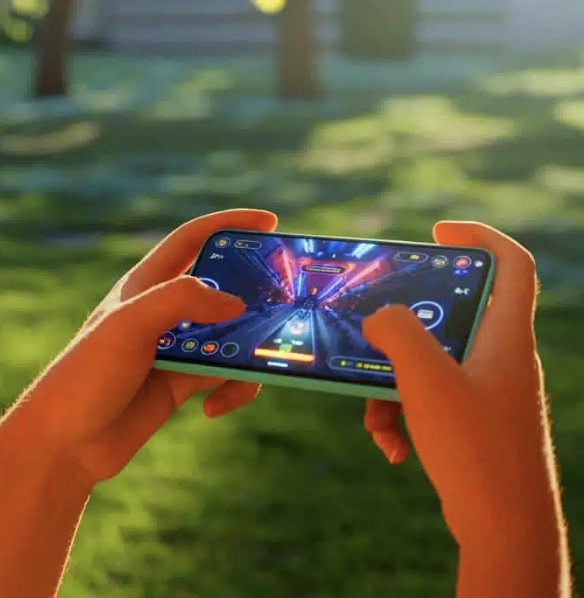

Mobile gaming has grown into a massive industry, and for good reason. You can enjoy console-quality experiences right from your pocket. But nothing ruins a gaming session faster than lag, frame drops, overheating, or a dying battery.
Whether you play casual puzzle games or intense battle royale titles, your device’s performance matters a lot. The good news is that you do not need to buy a new phone to get better results. With the right settings and habits, your current device can perform significantly better.
This article walks you through everything you need to know — from understanding what affects gaming performance to practical steps you can take today to make your games run smoother, faster, and longer.
What Is Mobile Gaming Performance?
Mobile gaming performance refers to how well your smartphone or tablet handles games. It includes several factors working together:
- Frame rate: How many frames per second (FPS) your game runs at. Higher is smoother.
- Load times: How quickly the game loads levels or assets.
- Input responsiveness: How fast the screen reacts when you tap or swipe.
- Thermal management: How well your phone handles heat under load.
- Battery efficiency: How long you can play without running out of charge.
When any of these areas suffer, your gaming experience suffers too. A low frame rate makes movement look choppy. High temperatures cause throttling, which slows your processor down automatically to prevent damage. Poor battery life cuts sessions short.
Understanding these elements helps you target the right areas when something feels off.
Key Factors That Affect Mobile Gaming Performance
Before diving into fixes, it helps to understand what actually drives performance on a mobile device.
Processor and GPU
The CPU handles general game logic, while the GPU renders graphics. Games that look great demand more from both. Older chipsets will naturally struggle with newer, more demanding titles.
RAM and Storage
RAM (Random Access Memory) determines how many tasks your phone can juggle at once. Gaming while other apps run in the background eats into this. Storage speed also matters — slow internal storage means longer load times.
Display Refresh Rate
Many modern phones support 90Hz or 120Hz displays. A higher refresh rate makes motion look smoother, but it also uses more battery and can stress the GPU.
Operating System and Game Optimization
How well the game is coded for your device matters too. Some titles are optimized for specific chipsets. OS updates can also improve or occasionally hurt gaming performance depending on the changes made.
Benefits of Optimizing Your Mobile Gaming Setup
Taking time to optimize your setup delivers real, noticeable results:
- Smoother gameplay with fewer frame drops and stutter
- Cooler device temperatures during long sessions
- Better battery life so you can play longer
- Faster load times so you spend more time playing and less time waiting
- Reduced input lag for more responsive controls
- A more enjoyable and less frustrating experience overall
These are not minor improvements. On mid-range devices especially, proper optimization can feel like an upgrade without spending a single rupee or dollar.
How Mobile Gaming Performance Optimization Works
Think of optimization as removing obstacles between your device and its full potential. Your phone is already capable of more than you might think — the goal is to stop other things from getting in the way.
Here is a step-by-step overview of the process:
Step 1 — Identify the bottleneck. Is the problem heat? Battery? Background apps? Knowing the cause helps you apply the right fix.
Step 2 — Clear the path for your hardware. Close unused apps, free up storage, and disable features your game does not need.
Step 3 — Adjust in-game settings to match your hardware. Not every game needs to run at maximum graphics.
Step 4 — Maintain your device over time. Keep software updated, manage storage regularly, and avoid habits that degrade performance.
Step 5 — Use built-in gaming tools if available. Many phones now include dedicated gaming modes worth enabling.
Best Ways to Improve Mobile Gaming Performance
Now for the practical part. These are the most effective methods you can apply right now.
1. Enable Game Mode or Performance Mode
Most modern Android phones include a built-in gaming mode. Samsung has Game Booster, OnePlus has Pro Gaming Mode, and Xiaomi has Game Turbo. On iOS, enabling Low Power Mode actually reduces background activity, though a better approach is simply keeping your device cool and closing background apps.
These modes typically:
- Block notifications during gameplay
- Boost CPU and GPU performance
- Disable features that drain resources in the background
Turn this on before starting any demanding game.
2. Close Background Apps
Apps running in the background consume RAM and CPU cycles. Before launching a game, swipe away everything else.
On Android: tap the recent apps button and close all. On iPhone: swipe up and dismiss open apps.
This alone can make a significant difference, especially on phones with 4GB RAM or less.
3. Lower In-Game Graphics Settings
This might feel counterintuitive, but running a game at high settings on hardware that cannot handle it will always feel worse than running it smoothly at medium settings.
Drop shadows first — they are the most expensive visual feature in most games. Then reduce texture quality if needed. Prioritize frame rate over resolution. A stable 60 FPS at medium settings beats a stuttering 30 FPS at high.
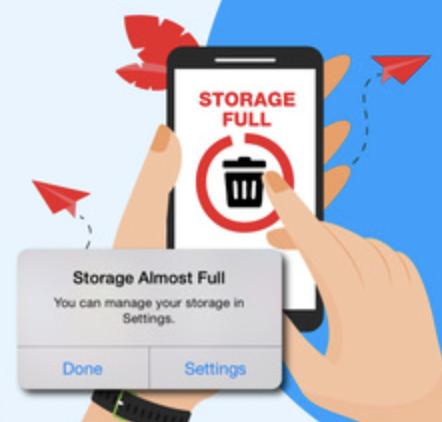
4. Free Up Storage Space
When your device storage is nearly full, it affects performance. The system has less room for temporary files, and read/write speeds slow down.
Aim to keep at least 10–15% of your total storage free at all times. Delete old photos and videos you have backed up elsewhere, uninstall games you no longer play, and clear app caches regularly.
On Android: Settings > Storage > Cached Data. On iOS: Settings > General > iPhone Storage, then offload unused apps.
5. Keep Your Device Cool
Heat is one of the biggest performance killers. When a phone gets too hot, it throttles the processor to protect itself, and that causes lag.
To manage heat:
- Remove your phone case while gaming for better airflow
- Do not charge your phone while playing for extended sessions if it gets hot
- Play in a cooler room or environment
- Avoid direct sunlight
- Consider a small phone cooler accessory for intensive sessions
A cooler phone is a faster phone.
6. Disable Unnecessary Features
Features like Bluetooth, location services, mobile hotspot, and NFC consume power and occasionally processing resources even when not actively in use. If you are playing offline or on Wi-Fi, turn off what you do not need.
Also disable auto-brightness if it causes the screen to frequently adjust during gameplay, as this small process can interrupt GPU rendering on some devices.
7. Use a Stable Internet Connection
For online games, connection quality affects everything. A weak or unstable connection causes lag, rubberbanding, and disconnections.
Tips for better connectivity:
- Play on Wi-Fi rather than mobile data when possible
- Sit closer to your router
- Use 5GHz Wi-Fi if your phone supports it — it is faster and less congested
- Restart your router occasionally to clear its cache
- Avoid gaming during peak hours when network traffic is highest
A wired connection is not possible on phones, but strong Wi-Fi comes close.
8. Update Your Games and Operating System
Developers release updates to fix bugs and improve performance. Playing an outdated version of a game means you could be running into problems that were already solved.
Similarly, OS updates often include performance improvements and better resource management. Keep both your games and your operating system current.
9. Manage Battery Settings Wisely
Battery saver modes are great for extending life, but they often throttle performance. Make sure battery saver is turned off before gaming if you want full performance.
On the other hand, playing with your phone at 100% charge and plugged in for hours can generate heat. A good habit is to charge to around 80–90%, unplug, and then play.
10. Use a Game-Specific Controller
Touch controls work fine for casual games, but for action-heavy titles, a Bluetooth controller reduces input lag and frees up screen space. It also reduces hand fatigue during long sessions. Many games officially support controllers, and the difference in responsiveness is real.
Advantages and Limitations of Mobile Gaming Optimization
Advantages
- Cost-free: Most of these methods cost nothing
- Immediate results: You can notice improvements within the same session
- Works on most devices: Android and iOS both benefit from these practices
- Extends device life: Better thermal management reduces long-term wear
Limitations
- Hardware ceiling: No amount of optimization can make an old chipset perform like a flagship
- Game-specific limits: Some games lock frame rates or graphics regardless of your settings
- Requires consistency: You need to maintain good habits over time, not just once
- Storage optimization helps less if the game itself is poorly coded
Be realistic about what your device can achieve. Optimization removes obstacles — it does not add raw power that was never there.
Common Mistakes to Avoid
Even experienced mobile gamers make these errors. Avoid them to get the most out of your device.
Mistake 1 — Playing with full brightness at maximum settings simultaneously. Both drain battery and generate heat rapidly.
Mistake 2 — Never restarting the device. Regular restarts clear memory leaks and temporary files that accumulate over time.
Mistake 3 — Ignoring storage management. Waiting until your phone shows a “storage full” warning is too late — performance degrades well before that point.
Mistake 4 — Using cheap or faulty chargers. Slow or inconsistent charging leads to battery issues over time that affect sustained performance.
Mistake 5 — Downloading game “optimizer” apps from unknown sources. Many third-party optimizer apps do very little and some actually run constantly in the background, adding to the problem rather than solving it. Stick to your phone’s built-in tools.
Mistake 6 — Dismissing thermal warnings. If your phone warns you it is overheating, stop playing and let it cool down. Continuing can cause lasting hardware damage.
Frequently Asked Questions
Q1: Does clearing the cache really improve gaming performance?
Yes, it can help. Cached data builds up over time and can occasionally become corrupted or outdated. Clearing it forces the app to rebuild fresh files, which can resolve stuttering or slow loading. It is not a dramatic fix but it is worth doing periodically, especially if a game has started behaving strangely after an update.
Q2: Is it worth buying a cooling fan for mobile gaming?
For serious or long gaming sessions, yes. Clip-on semiconductor coolers (Peltier coolers) can bring device temperatures down by 10 degrees or more, which directly prevents thermal throttling. They are especially useful in hot climates. However, for casual gaming of under an hour, simply removing your case and ensuring good airflow is usually enough.
Q3: Does gaming on Wi-Fi vs. mobile data really make a difference?
For most online games, yes. Wi-Fi typically offers lower latency and more stable speeds compared to cellular data, particularly in areas with variable signal strength. Mobile data can work well in strong signal areas, but Wi-Fi is generally the better choice for competitive or lag-sensitive games.
Q4: Can I improve performance on an older phone?
Absolutely. Older phones benefit the most from software-side optimization because they often have less RAM and slower processors. Closing background apps, freeing storage, lowering in-game settings, and keeping the device cool can make a noticeable difference even on a three or four-year-old device.
Q5: Why does my phone get hot while gaming and how do I stop it?
Heat is generated when your processor and GPU work hard. In gaming, both are under sustained load. Common causes include high graphics settings, playing while charging, high ambient temperatures, and a thick case blocking airflow. The fixes are straightforward: lower settings, avoid charging during long sessions, play somewhere cool, and remove the case.
Q6: Should I use third-party game booster apps?
Mostly no. The best game boosters are already built into your phone by the manufacturer. Third-party boosters from unknown developers often run background processes that add to CPU and RAM load rather than reducing it. If you want to try one, stick to well-reviewed apps from reputable developers and monitor whether your performance actually improves after using it.
Conclusion
Improving mobile gaming performance does not require spending money or possessing technical expertise. It comes down to understanding what affects your device, building good habits, and making smart adjustments to your settings.
Start with the basics: close background apps, manage your storage, enable game mode, and keep your device cool. Then fine-tune in-game graphics settings to match what your hardware can comfortably handle. For online games, a stable Wi-Fi connection makes a bigger difference than many people expect.
The goal is smooth, consistent performance — not necessarily the highest possible graphics. A game that runs at a stable frame rate without overheating or draining your battery in an hour is infinitely more enjoyable than one that looks stunning but stutters constantly.
Apply these tips consistently, and the improvement you notice will be genuine and lasting. Your device already has more to offer — these methods help you unlock it.
Ready to get more out of your mobile gaming experience? Start with one or two changes today and build from there. Small improvements add up quickly.