
Choosing a new smartphone in 2026 is not as simple as picking the prettiest screen. With both Apple and Android manufacturers pushing serious upgrades every year, the gap between the two platforms has narrowed in some areas and widened in others.
This guide is not about picking a winner. It is about helping you find the right fit for your lifestyle, budget, and priorities. Whether you are a first-time buyer, switching platforms, or simply trying to make a smarter purchase, this article covers everything you need to know before spending your money.
What Is the iPhone vs Android Debate?
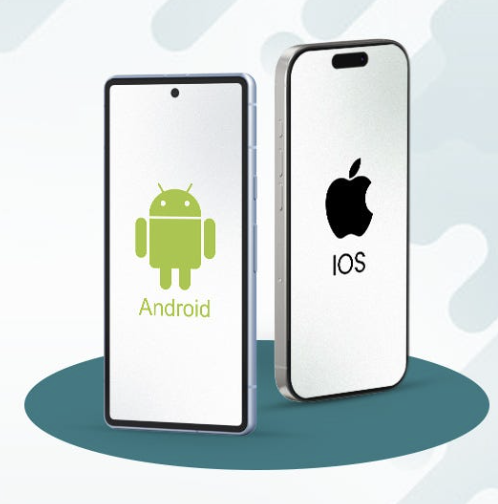
At its core, the iPhone versus Android debate is a comparison between two completely different smartphone ecosystems.
The iPhone runs iOS, an operating system developed and controlled entirely by Apple. Every iPhone is designed, built, and supported by Apple, which means the hardware and software work together as a tightly integrated system.
Android, on the other hand, is an open-source operating system developed by Google. It powers devices from a wide range of manufacturers including Samsung, Google, OnePlus, Xiaomi, and many others. This means Android gives you far more hardware choices, but the experience can vary significantly from one brand to another.
In simple terms: iPhone offers one curated experience. Android offers many experiences across many price points.
Key Differences Between iPhone and Android in 2026
1. Operating System and Software Experience
iOS remains one of the most polished mobile operating systems available. It is clean, consistent, and easy to pick up even for someone using a smartphone for the first time. Apple also has a strong track record of providing software updates for five to six years after a device launch.
Android has matured significantly. Google’s Pixel phones now receive seven years of OS and security updates, and Samsung has also extended its update commitments to seven years on flagship models. The Android 15 and upcoming Android 16 rollouts have brought tighter privacy controls, smoother performance, and better customization tools.
Winner for longevity: Both are now competitive, though iPhone still edges ahead in how consistently smooth the update rollout is across all supported devices.
2. Hardware and Design Choices
This is where Android holds a clear advantage. If you want a foldable phone, a phone with a stylus, a rugged outdoor device, a budget handset under $200, or a flagship with a massive battery — Android has an option for you.
Apple, by contrast, offers a small range of models: the base iPhone 17, iPhone 17 Plus, iPhone 17 Pro, and iPhone 17 Pro Max. The choices are limited, but the build quality is consistently excellent across all of them.
For buyers who want variety and flexibility, Android wins. For buyers who want simplicity and do not want to agonize over specs, iPhone is the easier choice.
3. Performance and Processing Power
Apple’s A18 chip, found in the iPhone 17 lineup, remains one of the most powerful mobile processors on the market. It handles gaming, video editing, AI tasks, and everyday multitasking without breaking a sweat. Apple’s tight integration between chip and software means iPhones often outperform Android phones with higher specs on paper.
On the Android side, Qualcomm’s Snapdragon 8 Elite and Google’s Tensor G5 chip (in the Pixel 10 series) have closed the gap considerably. High-end Android flagships in 2026 are genuinely fast, capable devices that compete at the top level.
Mid-range and budget Android phones, however, can feel noticeably slower depending on the chip they use. This is something iPhone buyers never have to think about.
4. Camera Quality
Both platforms have excellent cameras in 2026, and honestly, the camera battle is one of the most competitive it has ever been.
The iPhone 17 Pro Max offers a refined triple-camera system with improved low-light performance, better video stabilization, and Apple’s ProRes video recording. It remains the benchmark for video quality on a smartphone.
Google’s Pixel 10 Pro continues to lead in computational photography, especially for portrait shots, skin tones, and night mode. Samsung’s Galaxy S25 Ultra offers the most versatile zoom range with its 200-megapixel main sensor.
For most people, any flagship phone from Apple, Google, or Samsung will take outstanding photos. Where you will notice differences is in color science, software processing, and video recording quality.
5. Privacy and Security
Apple has built privacy into its brand identity. Features like App Tracking Transparency, iCloud Private Relay, Hide My Email, and on-device processing for Siri requests give iPhone users strong privacy tools out of the box.
Google has been improving Android’s privacy settings significantly, and Pixel phones now offer features like the VPN by Google One and advanced sandboxing for apps. However, Android’s open ecosystem means privacy quality varies depending on the manufacturer and apps installed.
If privacy is your top priority, iPhone has a slight but meaningful edge. That said, a well-configured Android phone from a reputable manufacturer is still a secure device for everyday use.
6. App Ecosystem
Both platforms have mature app stores in 2026 with millions of available apps. The days of “that app is only on iPhone” are mostly gone.
Where iOS still leads is in the quality and consistency of app design. Many developers continue to launch new apps on iOS first, and iOS apps often receive updates before their Android counterparts. Productivity and creative apps in particular — such as those for photo editing, music production, and design — tend to feel more polished on iOS.
Android’s Google Play Store allows for more app sideloading and flexibility, which power users appreciate. You can also install apps from outside the Play Store, though this comes with security risks that average users should avoid.
7. Price Range and Value
This is one of the most significant practical differences between the two platforms.
iPhones start at around $799 for the base iPhone 17 and go up to $1,299 for the iPhone 17 Pro Max. There is no truly budget iPhone in 2026 if you want a current model, though older models like the iPhone 15 are still sold at reduced prices.
Android offers smartphones at every price point. You can find a capable, reliable Android phone for $200 to $400 from brands like Google, Motorola, or Samsung’s A-series lineup. If budget is a key consideration, Android gives you far more options.
How to Choose: A Step-by-Step Decision Guide
Step one: Set your budget clearly. If you are spending under $400, Android gives you much better value for money at that price point.
Step two: Think about what ecosystem you already use. If you have a Mac, iPad, Apple Watch, or AirPods, an iPhone will integrate much more seamlessly with those devices. If you use a lot of Google services like Gmail, Google Drive, and Google Photos, Android fits more naturally.
Step three: Decide what matters most to you. Is it camera quality, battery life, screen size, software updates, or price? Use that as your primary filter, then compare specific models within your shortlist.
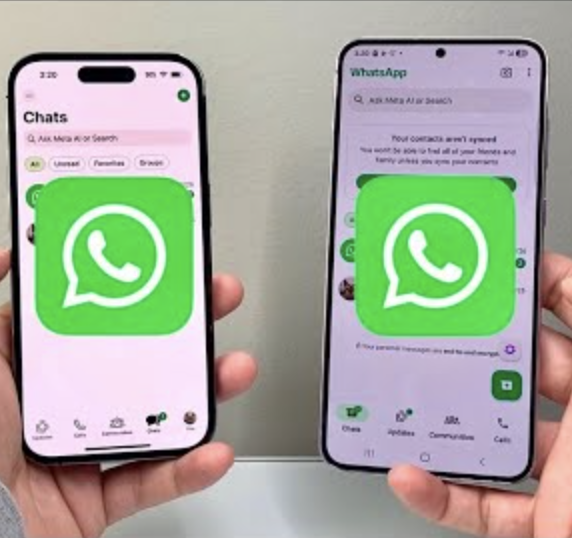
Step four: Consider who else you communicate with. If most of your friends and family use iMessage and FaceTime, staying on or switching to iPhone makes daily communication easier. Though it is worth noting that cross-platform messaging apps like WhatsApp, Signal, and Google Messages have reduced this gap significantly.
Step five: Visit a store and hold both options. Smartphone feel in hand matters more than spec sheets. The weight, screen brightness, and keyboard responsiveness all factor into how much you will enjoy the device every single day.
Advantages and Limitations of Each Platform
iPhone Advantages
Apple’s ecosystem is unmatched in terms of seamless device integration. Handoff, AirDrop, Universal Clipboard, and Continuity Camera all work reliably between Apple devices. For people deep in the Apple ecosystem, the productivity gains are real and meaningful.
Software support is consistent and long. You will receive the same iOS update on an iPhone 17 as on an iPhone 13, at the same time, with the same features.
Resale value is excellent. iPhones hold their value longer than most Android phones, which makes the higher upfront cost somewhat easier to justify.
iPhone Limitations
The lack of hardware variety is a genuine limitation. If you want a phone with a physical keyboard slot, a pen input, a wider range of screen sizes, or a foldable form factor, iPhone cannot help you.
The price floor is high. Getting a current-generation iPhone requires a significant investment.
Customization is limited compared to Android. iOS has improved in recent years, but Android still wins when it comes to personalization, default app choices, and system-level tweaks.
Android Advantages
Hardware variety is Android’s biggest strength. You can find the perfect size, form factor, camera configuration, and price point for your exact needs.
Customization is deep. You can change launchers, icon packs, default apps, and notification behavior in ways iOS simply does not allow.
Price options are genuinely excellent. Flagship-level features are now available on many mid-range Android phones, making it possible to get a great experience without spending over $1,000.
Android Limitations
Software update timelines vary by manufacturer. While Google and Samsung have improved dramatically, not all Android device makers are equally reliable. Budget phones often receive only one or two years of updates.
The experience is inconsistent across brands. A Samsung phone feels and works differently than a Pixel, which feels different from a OnePlus. This flexibility is great for some buyers but overwhelming for others.
Bloatware remains a problem on non-Pixel Android devices. Many manufacturers pre-install apps you cannot remove and apply their own interface skins that not everyone prefers.
Best Practices and Tips Before You Buy
Research the specific model, not just the platform. A mid-range Samsung A55 and a flagship Galaxy S25 Ultra are both “Android phones,” but they are very different devices.
Check the update policy for any phone you consider. Look specifically at how many years of OS updates and security patches the manufacturer promises.
Read reviews from real users, not just spec comparisons. Pay attention to battery life reports, camera samples in varied lighting, and long-term reliability.
Buy from authorized retailers or directly from the manufacturer when possible. This protects your warranty and ensures you receive the genuine product with proper software.
Consider waiting a few weeks after a new phone launch before buying. Early reviews sometimes miss issues that surface in the first month of widespread use.
Common Mistakes to Avoid
Choosing based on brand loyalty alone. The best phone for you is the one that fits your specific habits and budget, not the one your friends use or the brand you have always used.
Ignoring software update commitments. A phone that stops receiving security updates becomes a security risk. Always check the manufacturer’s policy before purchasing.
Overlooking the importance of battery life. Screen specs and camera megapixels get more attention in marketing, but battery life is what you will care about most on a long travel day.
Buying more phone than you need. If you mostly use your phone for calls, messaging, social media, and photos, a mid-range Android phone costing $300 to $400 will serve you just as well as a $1,200 flagship.
Dismissing older flagship models. A two-year-old iPhone Pro or Pixel Pro often provides an excellent experience at a significantly lower price than the latest release.
Frequently Asked Questions
Is iPhone or Android better for beginners? iPhone is generally easier for beginners due to its consistent, simple interface and the fact that there is only one version of iOS. However, many Android phones — especially Pixel devices — are also beginner-friendly. The best choice depends on whether the person is already familiar with any Apple devices or Google services.
Which is more secure: iPhone or Android? iPhone has a slight edge in security due to its closed ecosystem and consistent update delivery. However, modern Android flagships, especially Pixel phones with Google’s security chip, are also highly secure. The most important security factor is keeping your phone updated regardless of platform.
Can I switch from iPhone to Android easily? Yes. Google offers a “Switch to Android” app, and the process of transferring contacts, photos, and most data is straightforward. The main friction comes from iMessage — you will need to deregister your number from iMessage before switching to avoid missing texts.
Which platform has better apps? Both platforms have access to virtually every major app. iOS still tends to receive major app updates slightly earlier, and creative or productivity apps often feel more refined on iOS. For everyday apps, the difference is minimal.
Which is better for gaming? iPhone has an edge in gaming performance due to Apple’s chip efficiency and consistent hardware, but premium Android phones also handle mobile gaming very well. For casual gaming, either platform is more than capable.
Does Android or iPhone have better battery life? This depends entirely on the specific model, not the platform. Some Android phones offer exceptional battery life — especially from brands like Samsung and Motorola — while others are average. iPhone battery life has improved notably in recent years. Check battery reviews for the specific model you are considering.
Conclusion
There is no universally correct answer to the iPhone versus Android question in 2026. Both platforms are mature, capable, and genuinely excellent for most users.
Choose iPhone if you are already in the Apple ecosystem, value a consistent and polished experience, want long-term software support with zero effort, and do not mind paying a premium price.
Choose Android if you want hardware variety, more flexibility in budget, deeper customization, or access to features like foldable screens and stylus input that Apple does not offer.
The most important thing is to make a decision based on your actual daily habits and needs rather than brand reputation or marketing. Take your time, compare specific models within your budget, and trust that either platform will serve you well if chosen thoughtfully.
If you found this guide helpful, explore further comparisons of specific models within each platform to narrow down your final choice.