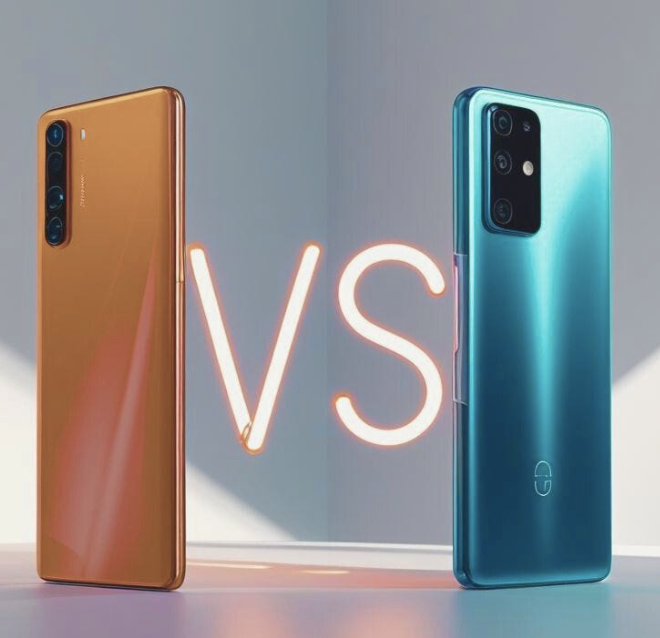

Picking a mid-range smartphone in 2026 is harder than it sounds. You have two serious contenders fighting for the same budget: Samsung’s Galaxy A Series and Xiaomi’s Redmi lineup. Both are enormously popular. Both offer solid cameras, big screens, and competitive prices. But they are built on very different philosophies — and the one that suits you depends entirely on what you actually need from a daily phone.
This article breaks down every important category: design, display, performance, camera, battery life, software, long-term support, and overall value. By the end, you will have a clear picture of which phone deserves your money in 2026.
What Are the Samsung Galaxy A Series and Redmi Phones?
Before comparing specs, it helps to understand what each brand is trying to do.
The Samsung Galaxy A Series is Samsung’s mid-range lineup. It sits below the premium Galaxy S Series and targets users who want a reliable, well-designed smartphone without paying flagship prices. In 2026, the key models include the Galaxy A27 5G, Galaxy A37 5G, and Galaxy A57 5G. Samsung focuses on display quality, build finish, camera consistency, and long software support cycles.
The Redmi lineup is Xiaomi’s budget-to-mid-range series. Redmi phones are designed to pack in as many hardware specs as possible at the lowest possible price. The Redmi Note 14 and Redmi Note 14 Pro are the main competitors to Samsung’s A Series in 2026. Xiaomi’s goal is raw value: more RAM, faster charging, bigger batteries, and higher megapixel counts than what rivals offer at the same price.
In short, Samsung competes on quality and reliability. Redmi competes on quantity and specs-per-dollar.
Key Features: Samsung Galaxy A Series 2026
The 2026 Galaxy A Series received meaningful upgrades across the board.
Display: The A37 and A57 both use Super AMOLED+ panels with adaptive refresh rates. Outdoor brightness reaches levels that make the screen genuinely readable in direct sunlight, giving Samsung a real edge over many competitors in the same price tier.
Camera: Both the A37 and A57 carry 50MP main cameras. The A37 gets improved pixel size for better low-light performance, while the camera processing on all A Series models is tuned for natural colours and accurate skin tones.
Battery: The A37 packs a 5,000mAh battery rated for around 59 hours of use — a 10-hour improvement over the previous generation. The A57 pushes that further to approximately 66 hours. These are impressive numbers that reflect better power management rather than simply a larger cell.
Build and Durability: The A57 is 6.9mm thin and carries an IP68 rating, meaning it is water resistant to 1.5 metres for 30 minutes. At this price range, IP68 is exceptional.
Software Support: Samsung has committed to 6 major Android OS upgrades for the Galaxy A Series, along with 6 years of security patches. This means an A Series phone bought in 2026 will receive updates until 2032 — a commitment almost unmatched in the mid-range market.
Key Features: Redmi 2026 Lineup
Redmi’s 2026 phones take a different approach, prioritising raw hardware.
Battery and Charging: Redmi Note 14 Pro models pack 6,500mAh batteries and support up to 120W fast charging. At 120W, reaching 50 to 80 percent charge takes roughly 20 to 30 minutes. This is significantly faster than the 25W to 45W charging speeds found on Samsung A Series phones.
Performance: Redmi Note 14 series phones run on MediaTek Dimensity processors, offering strong sustained performance especially during gaming. Many Redmi models in the mid-range now offer up to 16GB of RAM, giving them an edge in multitasking on paper.
Camera: Redmi cameras tend to offer higher megapixel counts and produce sharper, punchier images in daylight. The processing leans toward saturation and brightness, which looks impressive in social media posts. Low-light results are capable but less consistent than Samsung.
Display: Higher-tier Redmi Note phones now feature AMOLED panels as well. Budget Redmi models may still use LCD displays, so it is important to check the specific model before buying.
Price: Redmi’s biggest weapon is aggressive pricing. At the same price point, Redmi consistently offers more storage, more RAM, and faster charging than Samsung.
Performance Comparison: Processor and Daily Use
Samsung Galaxy A Series phones in 2026 use a mix of Exynos and Snapdragon chips depending on the region. The performance is smooth and reliable for everyday tasks — social media, video streaming, moderate gaming, and productivity apps. Samsung’s software is well-optimised for the hardware, reducing bloat and keeping things responsive over time.
Redmi phones at the same price often use the MediaTek Dimensity 7300 or Dimensity 8300 processor, which benchmarks higher than many Samsung mid-range chips. For gaming-heavy users, Redmi phones frequently deliver better peak performance at launch.
However, there is an important distinction between peak performance and long-term performance. Samsung’s tighter software optimisation tends to keep phones running smoothly for years. Some Redmi users report a gradual slowdown over 18 to 24 months, particularly on devices running older MIUI builds. HyperOS, Xiaomi’s newer software layer, has improved things considerably, but Samsung still holds the edge for sustained, long-term reliability.
The practical takeaway: if you want the fastest phone on day one at a given price, Redmi often wins. If you want a phone that feels just as smooth three years from now, Samsung has the track record.
Camera Comparison: Which Takes Better Photos?
Both brands offer capable cameras in 2026, but they produce visually different results.
Samsung Galaxy A Series cameras prioritise colour accuracy and natural processing. Skin tones look realistic, exposures are well-balanced, and night mode results are clean rather than over-processed. Video stabilisation on A Series phones is strong for the price range. If you take a lot of photos that you plan to print, edit, or use professionally, Samsung’s output is easier to work with.
Redmi cameras favour a more vibrant, high-contrast look. Daylight photos are sharp and eye-catching, and selfie cameras often apply subtle beauty processing by default. The higher megapixel sensors produce detailed daytime shots, but low-light results can occasionally be noisier than Samsung’s. The beauty-enhanced selfies look great for social media but may not suit users who prefer a more natural appearance.
For video, Samsung generally offers better optical stabilisation at the same price. Redmi phones can produce sharp footage but may show more shake in handheld conditions.
Winner by use case: Samsung for consistent, natural photography and video. Redmi for bright, punchy social media shots on a tighter budget.
Battery Life and Charging: A Clear Redmi Advantage
This is where Redmi holds a genuine, significant advantage.
Redmi Note 14 Pro models carry 6,500mAh batteries. In real-world testing, mid-range Redmi phones in 2026 regularly reach a full day and a half to two days of use under mixed conditions. The combination of a large battery cell and efficient Dimensity processors makes this possible.
Samsung Galaxy A Series phones carry 5,000mAh batteries, which is still respectable. The A57 achieves around 66 hours of stated usage, but under heavy use — gaming, video, navigation — you are realistically looking at one solid day between charges.
Charging speed is an even bigger gap. Redmi supports 67W to 120W fast charging across most of its 2026 mid-range models. Samsung’s A Series tops out at around 25W to 45W depending on the model. This means a Redmi phone can go from nearly empty to usable in under 30 minutes, while a Samsung A Series phone may take 60 to 90 minutes for a similar charge.
If battery life and fast charging are your top priorities, Redmi is the stronger choice without question.
Software and Updates: Samsung Wins Long-Term
Samsung One UI runs on all Galaxy A Series phones. It is clean, customisable, and regularly updated. Samsung has made a remarkable commitment to software support — 6 major OS upgrades and 6 years of security patches for A Series models bought in 2026. This is exceptional for mid-range phones and means your device remains secure and current well into the next decade.
Redmi phones run HyperOS, Xiaomi’s successor to MIUI. HyperOS has addressed many of the earlier criticisms of MIUI — it is lighter, faster, and less cluttered with ads and pre-installed apps than older builds. However, Xiaomi’s software support policy is less generous than Samsung’s. Most Redmi Note phones receive 2 to 3 major Android updates, which is standard for the segment but noticeably shorter than Samsung’s offer.
Additionally, Samsung Knox, the built-in security platform, provides an extra layer of data protection that matters for business users, parents, and anyone who values privacy on their device.
If you plan to keep your phone for 3 to 5 years, Samsung’s software support commitment is a serious advantage. If you upgrade every 2 years, Redmi’s shorter support window is less of a concern.
Design and Build Quality
Samsung Galaxy A Series phones in 2026 offer a premium feel that punches above their price. The A57 at 6.9mm is impressively thin, and the IP68 water resistance rating is rare at this price level. Build materials feel solid, and the overall aesthetic is polished and professional.
Redmi phones have improved considerably in design over the past two years. The Redmi Note 14 series features a clean flat-frame design with glass backs on higher models. However, water resistance ratings on most Redmi phones stop at IP54 or IP67, which is decent but not as strong as Samsung’s IP68 certification.
For users who want a phone that feels genuinely premium in hand, Samsung still has the better build quality at comparable prices.
Advantages and Limitations: An Honest Look
Samsung Galaxy A Series — Strengths:
- Six years of Android updates and security patches
- IP68 water resistance on flagship A models
- Natural, consistent camera output
- Better long-term software reliability
- Samsung Knox security platform
- Strong global after-sales service network
Samsung Galaxy A Series — Weaknesses:
- Slower charging speeds (25W to 45W)
- Smaller batteries than equivalent Redmi models
- Higher price for comparable hardware on paper
- Less RAM on budget models compared to Redmi at the same price
Redmi — Strengths:
- Exceptional value per rupee or dollar spent
- Larger batteries with much faster charging (up to 120W)
- Higher RAM configurations at every price point
- Strong gaming performance
- Competitive AMOLED displays on mid and upper models
Redmi — Weaknesses:
- Shorter software support (2 to 3 major updates typically)
- Lower water resistance rating on most models
- Camera processing can be inconsistent in low light
- Older Redmi/MIUI software had reputation for ads and bloat (improved in HyperOS but history matters)
How to Choose: A Practical Guide
Use this simple framework to decide:
Choose Samsung Galaxy A Series if you prioritise long-term reliability, plan to keep the phone for 3 or more years, value software security and updates, need strong water resistance, or work in an environment where Samsung’s professional ecosystem (Knox, DeX on higher models) is relevant.
Choose Redmi if you are on a tight budget and want maximum specs for your money, charge your phone heavily throughout the day, enjoy gaming and want peak performance, or typically upgrade your phone every 1 to 2 years.
For students and first-time smartphone buyers, Redmi offers an impressive entry point. For professionals, parents, and anyone who wants a device that remains reliable and supported for years, Samsung is the smarter long-term investment.
Best Practices When Buying Either Phone
Research the specific model number, not just the brand. Both Samsung and Redmi release multiple models in a single year, and the differences between tiers can be significant.
Check the charging brick. Both brands have moved toward selling phones without chargers in the box in some markets. A Redmi phone with 120W charging is only useful at that speed if you have a 120W adapter.
Compare regional variants. Samsung in particular releases different processor variants by region. An A-Series phone in Europe may run on a different chip than the same model in South Asia. Check the exact specifications for your country before purchasing.
Read software update policies for your specific model, not just the brand. Entry-level Redmi models may receive fewer updates than the Redmi Note Pro tier.
Buy from authorised retailers. Both Samsung and Xiaomi have extensive grey market problems in certain regions. Purchasing from an authorised seller ensures your warranty is valid.
Common Mistakes to Avoid
Buying based on RAM alone. More RAM does not always mean a better experience. Software optimisation matters as much as the number on the spec sheet. A Samsung phone with 8GB of RAM running well-optimised One UI can outperform a Redmi with 12GB running heavier software in day-to-day smoothness.
Ignoring software support when comparing prices. A Redmi phone that costs less today but stops receiving updates in 18 months may end up costing more in the long run when you need to replace it sooner.
Overlooking charging speed compatibility. Fast charging requires both a compatible phone and a compatible charger. Many users buy a 120W Redmi phone and charge it at 18W because they use an older adapter.
Confusing IP ratings. IP54 and IP68 are very different standards. IP54 offers splash resistance. IP68 means you can submerge it to 1.5 metres for 30 minutes. Do not assume all mid-range phones have equal water protection.
Choosing based on camera megapixels alone. A 108MP camera on a budget phone often underperforms a 50MP sensor on a premium mid-range phone in real-world conditions. Pixel size, aperture, and software processing matter far more.
Frequently Asked Questions
Which is better for long-term use, Samsung Galaxy A Series or Redmi?
Samsung Galaxy A Series is the stronger choice for long-term use. Samsung now offers 6 major Android OS updates and 6 years of security patches for A Series phones, which means a phone bought in 2026 will remain supported until 2032. Redmi phones typically receive 2 to 3 major updates, which is enough if you plan to upgrade in 2 years but falls short for users who keep phones longer.
Does Redmi have better battery life than Samsung Galaxy A Series?
Yes, in most cases. Redmi Note 14 Pro models carry 6,500mAh batteries with up to 120W fast charging, making them last 1.5 to 2 days under moderate use. Samsung A Series phones use 5,000mAh batteries with 25W to 45W charging. Both are capable, but Redmi has a clear edge in both capacity and charging speed.
Is Samsung Galaxy A Series camera better than Redmi?
It depends on the use case. Samsung cameras produce more natural, accurate colours and handle video stabilisation better. Redmi cameras offer sharper daylight shots and punchier colours that look great on social media. For professional or edited photography, Samsung is often preferred. For social media content, Redmi can be equally impressive.
Which phone is better for gaming, Samsung A Series or Redmi?
Redmi generally offers better gaming performance for the price. Redmi Note Pro models use powerful Dimensity 8000-series chips with higher RAM configurations, which translates to better frame rates in demanding games like PUBG Mobile and Free Fire at launch. Samsung A Series phones handle moderate gaming well but may not match Redmi’s raw peak performance at the same price point.
Is the Samsung Galaxy A Series worth the extra cost over Redmi?
It depends on your priorities. If software support, build quality, water resistance, and a refined camera experience matter to you, the price premium is justified. If you want maximum specs and plan to upgrade within two years, Redmi offers better hardware value at most price points.
Which brand has better after-sales service?
Samsung generally has a wider and more established service network globally, with authorised service centres in most cities. Xiaomi’s service network has expanded considerably, particularly in South Asia and Southeast Asia, but Samsung’s coverage remains broader in Europe, North America, and parts of the Middle East.
Conclusion
Both Samsung Galaxy A Series and Redmi phones in 2026 represent excellent choices — but for different buyers.
Samsung wins on software longevity, build quality, water resistance, camera consistency, and the overall ownership experience over three to five years. If you want a phone that just works, looks polished, stays secure, and keeps receiving updates well into the future, the Galaxy A Series delivers that with confidence.
Redmi wins on raw hardware value, battery capacity, charging speed, and peak gaming performance. If your budget is tight and you want to maximise what you get on paper — more RAM, faster charging, bigger battery — Redmi consistently delivers more specs per dollar than Samsung.
The smartest approach is to decide what you value most before you buy. Long-term reliability and peace of mind? Samsung. Maximum hardware for your money right now? Redmi. Either way, you are getting a genuinely capable smartphone in 2026 — the gap between these two brands has never been smaller, and that is great news for buyers at every price point.
Explore the latest Samsung Galaxy A Series and Redmi Note lineups at authorised retailers near you, or compare detailed specifications on your preferred technology review platform to find the exact model that fits your needs and budget.