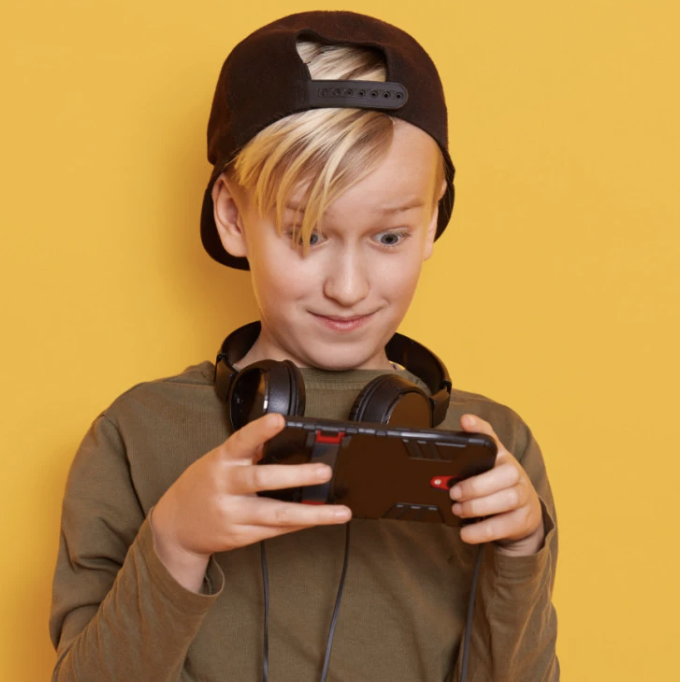
Picture this: You’re curled up on your couch after a long day, smartphone in hand, ready to unwind with your favorite puzzle game. Three hours later, you’re still there, eyes burning, neck aching, wondering where the evening went. Sound familiar?
You’re not alone in this digital maze. Millions of us have fallen into the puzzle game rabbit hole, and while these brain-teasers offer incredible benefits, they can also lead us down some unexpected paths if we’re not careful.
Let me share how you can enjoy all the mental stimulation and relaxation that puzzle games offer without falling into the common traps that catch so many players off guard.
Why Puzzle Games Hook Us So Deeply
The Science Behind the Addiction
Our brains are literally wired to crave the satisfaction that comes from solving problems. When you complete a level in Candy Crush or fit that perfect piece in a jigsaw puzzle, your brain releases dopamine – the same chemical that makes us feel good after eating chocolate or getting a hug.
Game developers know this secret well. They’ve designed modern puzzle games to trigger these reward pathways repeatedly, creating what psychologists call “intermittent reinforcement schedules.”
It’s like a slot machine disguised as innocent entertainment. The unpredictable nature of rewards keeps us coming back for “just one more level.”
Common Patterns That Lead to Problems
Most puzzle game issues don’t happen overnight. They creep up slowly, often following predictable patterns that millions of players experience.
You might start with innocent five-minute breaks during work. Soon, those breaks stretch to fifteen minutes, then thirty. Before you know it, you’re playing during meetings, staying up past bedtime, or choosing games over social activities.
The progression feels so gradual that many people don’t recognize it until friends or family members point out the changes in their behavior.
Physical Health Risks You Need to Know
Eye Strain and Vision Problems
Staring at small screens for extended periods can wreak havoc on your eyes. Digital eye strain, also known as computer vision syndrome, affects up to 90% of people who spend significant time looking at screens.
Symptoms include dry eyes, blurred vision, headaches, and neck pain. The blue light emitted by devices can also disrupt your sleep patterns, making it harder to fall asleep after evening gaming sessions.
Your eyes weren’t designed to focus on tiny, brightly lit objects for hours at a time. Taking regular breaks is crucial for maintaining healthy vision long-term.
Repetitive Strain Injuries
Your fingers, wrists, and thumbs take a beating during intense puzzle gaming sessions. Repetitive strain injuries (RSI) are becoming increasingly common among mobile game players.
Texting thumb, trigger finger, and carpal tunnel syndrome can develop from repetitive swiping, tapping, and pinching motions. These conditions can cause pain, numbness, and reduced mobility that affects daily activities.
The compact size of mobile devices often forces your hands into unnatural positions, increasing the risk of injury over time.
Posture-Related Problems
Hours of hunching over your phone or tablet creates what experts call “tech neck” – a forward head posture that strains your cervical spine. This can lead to chronic neck pain, shoulder tension, and even headaches.
Poor posture while gaming also affects your breathing and can contribute to back problems. Many players report developing what feels like a permanent crick in their neck from looking down at devices.
The human spine has natural curves that get disrupted when we spend too much time in hunched positions.
Mental and Emotional Risks to Consider
Sleep Disruption and Insomnia
Playing puzzle games before bed might seem relaxing, but it often has the opposite effect. The stimulating nature of problem-solving activities keeps your brain active when it should be winding down.
Blue light exposure from screens suppresses melatonin production, the hormone that regulates your sleep-wake cycle. Many players report lying in bed with racing thoughts about game strategies or feeling the urge to play “just one more level.”
Poor sleep quality affects every aspect of your health, from immune function to emotional regulation and cognitive performance.
Anxiety and Stress Escalation
While puzzle games can provide stress relief, they can also become a source of stress themselves. Difficult levels, time pressure, or the fear of losing progress can trigger anxiety responses.
Some players develop what psychologists call “achievement anxiety” – becoming so focused on maintaining streaks or reaching high scores that the games stop being fun and start feeling like obligations.
The competitive elements in many modern puzzle games can transform relaxing activities into high-pressure situations that increase rather than decrease stress levels.
Social Isolation and Relationship Strain
Excessive puzzle gaming can gradually erode your social connections. You might find yourself declining social invitations, ignoring family conversations, or feeling irritated when interrupted during gameplay.
The solitary nature of most puzzle games means you’re not building the social bonds that are crucial for mental health and life satisfaction. Over time, this can lead to loneliness and isolation.
Relationships often suffer when gaming becomes a priority over spending quality time with loved ones or participating in shared activities.
Smart Strategies for Safe Gaming
Setting Healthy Time Boundaries
The most effective way to enjoy puzzle games safely is to establish clear time limits before you start playing. Decide in advance how long you’ll play and stick to that commitment.
Use built-in screen time controls or download apps that track your gaming habits. Many players are shocked to discover they’re spending three to four hours daily on games they thought they played “just occasionally.”
Try the 20-20-20 rule: every 20 minutes, look at something 20 feet away for at least 20 seconds. This simple practice can prevent eye strain and help you maintain awareness of time passing.
Creating Physical Safeguards
Your gaming environment plays a crucial role in preventing physical problems. Choose seating that supports good posture and position your device at eye level when possible.
Invest in ergonomic accessories like phone stands or tablet holders. These small changes can dramatically reduce neck strain and improve your overall comfort during gaming sessions.
Take regular movement breaks to stretch your hands, neck, and shoulders. Simple exercises like shoulder rolls and neck stretches can prevent many common gaming-related injuries.
Implementing the Gaming Schedule System
Instead of playing whenever you feel like it, create a structured gaming schedule that fits into your daily routine without overwhelming it. Treat puzzle games like any other leisure activity – enjoyable but contained.
Schedule gaming sessions during natural breaks in your day, such as after completing work tasks or during designated relaxation time. This approach helps prevent games from expanding into every available moment.
Consider having “game-free” days or hours, especially around meals, bedtime, or important social activities.
Choosing the Right Games for You
Evaluating Game Mechanics and Design
Not all puzzle games are created equal when it comes to healthy gameplay. Some are designed with player wellbeing in mind, while others prioritize engagement and retention over player health.
Look for games that offer natural stopping points, such as clear level completions without cliffhangers. Avoid games with energy systems that pressure you to play at specific times or lose progress.
Games with infinite gameplay loops or artificially created urgency are more likely to lead to problematic playing patterns.
Understanding Monetization Models
Free-to-play puzzle games often use psychological tricks to encourage spending and extended play time. These include limited lives, pay-to-win mechanics, and fear-of-missing-out tactics.
Be aware of how games are trying to monetize your attention and emotional investment. Premium games with upfront costs often provide healthier gaming experiences because they don’t need to keep you playing indefinitely.
Read reviews and research game mechanics before downloading new titles. Player communities often share insights about which games respect your time and which ones don’t.
Age-Appropriate Content and Complexity
Choose puzzle games that match your skill level and mental energy availability. Games that are too easy become mindless time-wasters, while overly difficult games can cause frustration and stress.
Consider your current life circumstances when selecting games. High-stress periods might call for simpler, more relaxing puzzle experiences rather than complex, challenging ones.
Pay attention to how different games make you feel and adjust your choices accordingly.
Building Positive Gaming Habits
The Power of Mindful Gaming
Approach puzzle gaming with the same mindfulness you might bring to meditation or yoga. Pay attention to how you feel before, during, and after gaming sessions.
Notice when games stop feeling enjoyable and start feeling compulsive. This awareness is the first step in maintaining a healthy relationship with puzzle games.
Ask yourself regularly: “Am I playing because I want to, or because I feel like I have to?”
Creating Accountability Systems
Share your gaming goals and boundaries with trusted friends or family members. Having external accountability can help you stick to healthy limits when your own willpower wavers.
Join online communities focused on responsible gaming rather than achievement-oriented groups that might pressure you to play more than you’d like.
Consider using apps that track your mood and energy levels alongside your gaming habits to identify patterns and potential problems.
Developing Alternative Activities
The best defense against excessive puzzle gaming is having other engaging activities in your life. Develop hobbies and interests that provide similar mental stimulation or relaxation.
Physical puzzles like jigsaw puzzles, crosswords, or sudoku can satisfy your problem-solving needs without the addictive design elements of digital games. Reading, crafts, or learning new skills can provide cognitive challenges in different formats.
Build a diverse toolkit of stress-relief and entertainment options so you’re not dependent on games for all your leisure needs.
Warning Signs to Watch For
Recognizing Problematic Patterns Early
Pay attention to subtle changes in your behavior and priorities. Are you choosing games over sleep, exercise, or social activities more often than you used to?
Notice if you feel anxious or irritated when you can’t play, or if you’re thinking about games frequently throughout the day. These can be early warning signs of developing dependency.
Changes in your mood, sleep patterns, or physical comfort that correlate with your gaming habits deserve attention and possibly professional consultation.
Physical Symptoms That Demand Action
Don’t ignore persistent headaches, eye strain, neck pain, or hand discomfort. These physical symptoms are your body’s way of telling you that something needs to change.
Difficulty focusing on tasks that used to be easy, changes in your sleep quality, or increased irritability can all be connected to excessive screen time and gaming.
If you notice these symptoms, take a gaming break and consider consulting healthcare professionals if problems persist.
Social and Emotional Red Flags
Isolation from friends and family, declining performance at work or school, or loss of interest in previously enjoyed activities can all indicate that gaming is having a negative impact on your life.
Feeling defensive when others comment on your gaming habits or lying about how much time you spend playing are concerning behavioral changes that warrant honest self-reflection.
Trust your instincts and the observations of people who care about you.
Professional Help and Resources
When to Seek Professional Support
If you’ve tried to moderate your gaming habits on your own but keep falling back into problematic patterns, professional help can provide valuable strategies and support.
Therapists who specialize in behavioral addictions can help you understand the underlying needs that games are meeting and develop healthier ways to address those needs.
Don’t wait until the problem becomes severe. Early intervention is more effective and less disruptive to your life.
Types of Professional Help Available
Cognitive-behavioral therapy (CBT) has shown effectiveness in treating gaming-related problems by helping people identify and change thought patterns that contribute to excessive play.
Support groups, both online and in-person, can provide community and accountability from others who understand the challenges of managing gaming habits.
Some areas have specialized clinics or programs specifically designed to address technology and gaming-related concerns.
Self-Help Resources and Tools
Numerous apps and websites offer tools for tracking screen time, setting limits, and providing reminders to take breaks. Experiment with different options to find what works best for your situation.
Books, podcasts, and online courses about digital wellness can provide ongoing education and motivation for maintaining healthy gaming habits.
Consider keeping a gaming journal to track patterns, emotions, and triggers that influence your playing habits.
Maximizing the Benefits While Minimizing Risks
Cognitive Benefits of Puzzle Games
When enjoyed responsibly, puzzle games can provide genuine cognitive benefits including improved problem-solving skills, enhanced spatial reasoning, and better pattern recognition.
Research suggests that certain types of puzzle games may help maintain cognitive function as we age and could potentially reduce the risk of dementia and other age-related cognitive decline.
The key is finding the sweet spot where you get these benefits without the negative consequences of excessive play.
Using Games for Stress Management
Puzzle games can be effective stress-relief tools when used intentionally and in moderation. The focused attention required can provide a form of active meditation that temporarily distracts from worries.
The sense of accomplishment from solving puzzles can boost mood and self-confidence, especially after challenging days or during difficult life periods.
However, games should complement, not replace, other stress management strategies like exercise, social connection, and professional support when needed.
Building Life Skills Through Gaming
Well-designed puzzle games can teach valuable life skills including persistence, strategic thinking, and the ability to break complex problems into manageable steps.
The trial-and-error nature of puzzle solving can help build resilience and reduce fear of failure, skills that transfer to real-world challenges and opportunities.
Multiplayer puzzle games can even provide opportunities to practice communication and teamwork skills in low-stakes environments.
Technology Solutions and Tools
Built-In Device Controls
Modern smartphones and tablets offer sophisticated parental controls and screen time management tools that adults can use to manage their own device usage.
Features like app time limits, scheduled downtime, and usage reports can provide the external structure that makes self-regulation easier and more automatic.
Take time to explore and set up these tools proactively rather than waiting until you feel like your gaming habits are out of control.
Third-Party Apps and Solutions
Specialized apps like Forest, Freedom, or Moment offer additional features for managing screen time and building awareness of device usage patterns.
Some apps gamify the process of reducing screen time, providing alternative sources of achievement and progress tracking for people who thrive on goal-oriented activities.
Website blockers and app timers can create friction that makes it easier to make conscious choices about when and how long to play.
Creating Tech-Free Zones and Times
Designate certain areas of your home or times of day as game-free zones. This might include bedrooms, dining areas, or the first hour after waking up.
Physical separation from devices can be more effective than relying solely on willpower or software solutions, especially during times when you’re tired or stressed.
Consider investing in an analog alarm clock so you don’t need your phone in the bedroom, reducing the temptation for late-night or early-morning gaming sessions.
Building a Supportive Community
Finding Like-Minded Players
Seek out gaming communities that prioritize balance and well-being rather than competition and achievement. These groups can provide support and accountability for maintaining healthy gaming habits.
Online forums dedicated to responsible gaming offer spaces to share challenges and strategies with others who understand the struggle to maintain balance.
Local gaming groups or clubs might offer in-person connections and opportunities to engage with puzzles and games in more social, time-limited settings.
Family and Relationship Considerations
Include family members and close friends in discussions about your gaming habits and goals. Their support and understanding can make a significant difference in your success.
Be open about the challenges of managing gaming habits and ask for specific types of support, whether that’s reminder about time limits or alternative activity suggestions.
Consider how your gaming habits affect others and be willing to adjust based on the needs and concerns of people you care about.
Creating Positive Peer Influence
Surround yourself with people who model healthy relationships with technology and gaming. Their habits and attitudes can influence your own choices in positive ways.
Be a positive influence for others by sharing your strategies and being open about your own challenges and successes with managing gaming habits.
Consider mentoring younger players or family members who are developing their own relationships with games and technology.
Frequently Asked Questions
How much time is too much for puzzle games?
There’s no universal answer, but most experts recommend limiting recreational screen time to 1-2 hours per day for adults. Pay attention to how gaming affects your sleep, work, relationships, and physical health rather than focusing solely on time limits.
Can puzzle games actually improve brain function?
Research shows that certain puzzle games can enhance specific cognitive skills like spatial reasoning and problem-solving. However, these benefits are most pronounced when gaming is moderate and combined with other mentally stimulating activities.
What should I do if I can’t stop playing?
Start with small, achievable changes like setting a timer or playing only at designated times. If self-regulation strategies aren’t working, consider seeking support from friends, family, or mental health professionals who understand gaming-related concerns.
Are some types of puzzle games safer than others?
Games with natural stopping points, no time pressure, and minimal monetization tactics tend to be safer choices. Avoid games with energy systems, pay-to-win mechanics, or social pressure elements if you’re concerned about overuse.
How do I know if my gaming habits are problematic?
Warning signs include choosing games over sleep or social activities, feeling anxious when you can’t play, physical discomfort from gaming, or feedback from others about changes in your behavior or mood.
Conclusion
Enjoying puzzle games without risks isn’t about avoiding them entirely – it’s about approaching them with awareness, intention, and balance. By understanding the potential pitfalls and implementing smart strategies, you can harness all the cognitive benefits and genuine enjoyment these games offer while protecting your physical health, mental well-being, and relationships.
Remember, the goal isn’t perfection but progress. Small, consistent changes in how you approach gaming can lead to significant improvements in your overall quality of life.
The key is staying mindful of your motivations, setting clear boundaries, and regularly evaluating whether your gaming habits are serving your broader life goals and well-being.
Start with one or two strategies that resonate with you, and gradually build a personalized approach that allows you to enjoy puzzle games as a positive part of a well-rounded, healthy lifestyle.